Close to 200,000 vehicles funnel through the central Austin stretch of Interstate 35 on a typical day, by TxDOT's own count for the Capital Express corridor, and almost none of them are only passing through Austin. They are the visible middle of a road that begins at the Rio Grande in Laredo and runs unbroken to the Oklahoma line, stitching the state's fastest-growing metros into one continuous artery. When that artery clots, the whole midsection of Texas feels it.
Why one road carries so much
Geography did most of the work. I-35 threads the western edge of the Texas Triangle, linking San Antonio, Austin, and the Dallas and Fort Worth metroplex, three of the largest metropolitan areas in the country by population. The Texas Demographic Center has traced for years how growth concentrates along this axis, and each new subdivision and distribution center pours more trips onto pavement its neighbors already use.
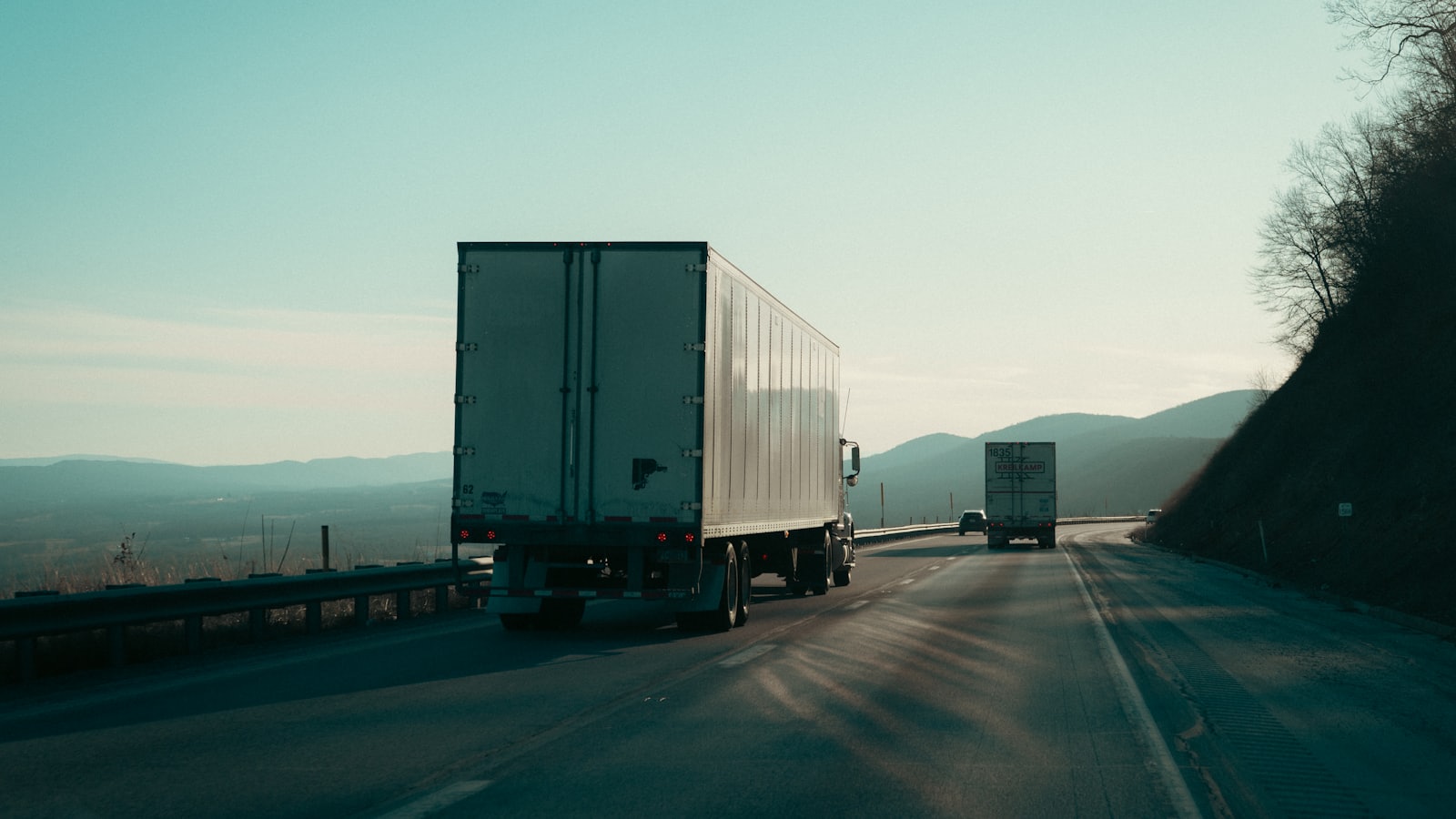
The corridor is a trade route as much as a commuter belt. Freight moving north from the Laredo gateway climbs I-35 toward the rest of the country, which is why the road figures so heavily in our reporting on Texas freight and trucking. A single lane closure near Waco can back up produce trucks, delivery vans, and a family headed to a soccer game in exactly the same jam.
One line, many projects
Because the corridor runs the length of the state, TxDOT does not rebuild it all at once. The agency has broken the Austin region alone into a program of segments, with separate central, north, and south projects each on its own schedule and budget. That piecemeal approach is partly practical and partly financial: a single interstate through three booming metros cannot be closed for one grand reconstruction, so the work advances in sections while traffic keeps flowing around it.
The result is a corridor perpetually under construction somewhere along its length, which is itself a source of delay. Drivers rarely experience I-35 as a finished road. They experience whichever stretch of it is currently being widened, decked, or rebuilt beneath them.
The Austin bottleneck
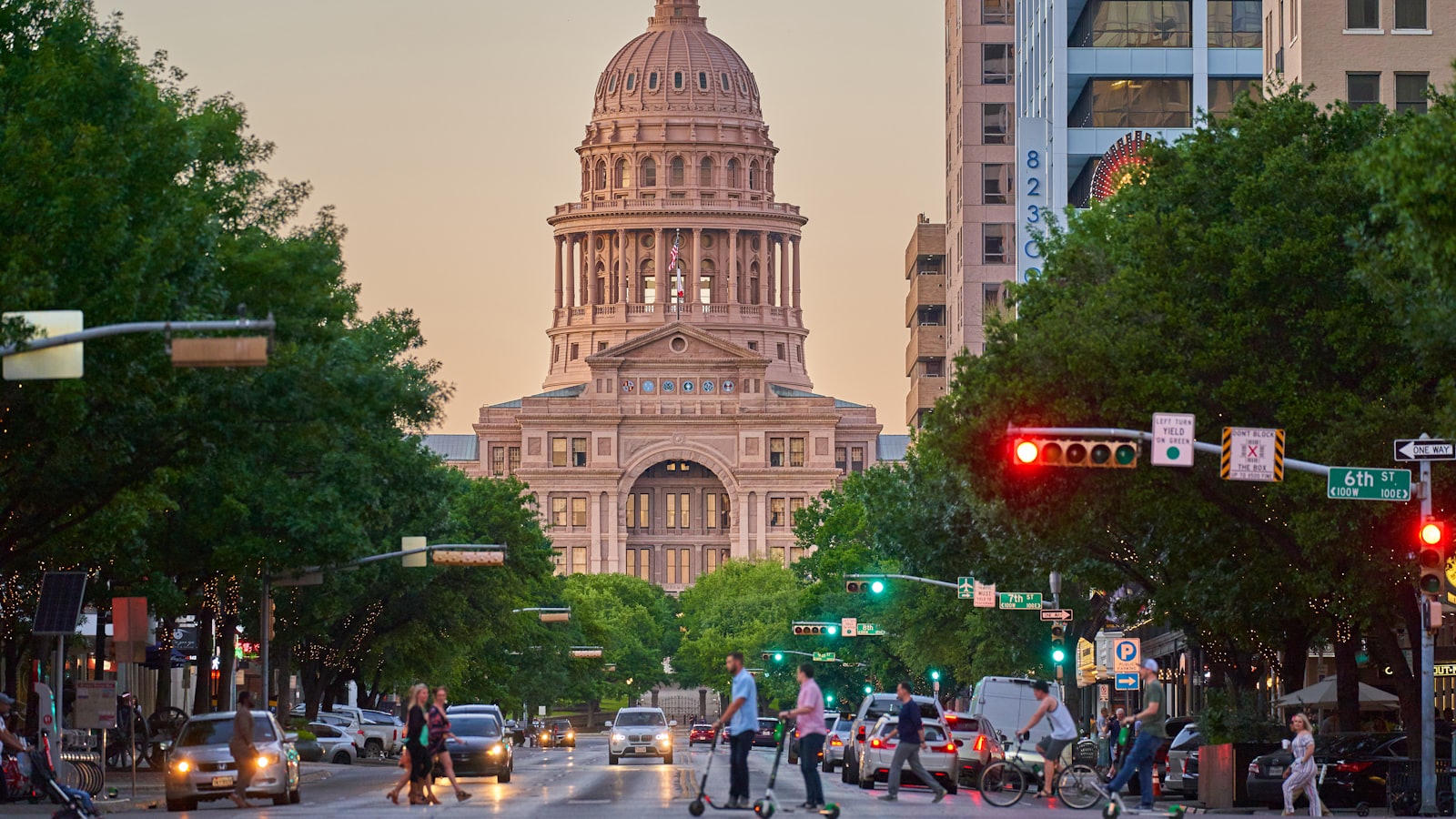
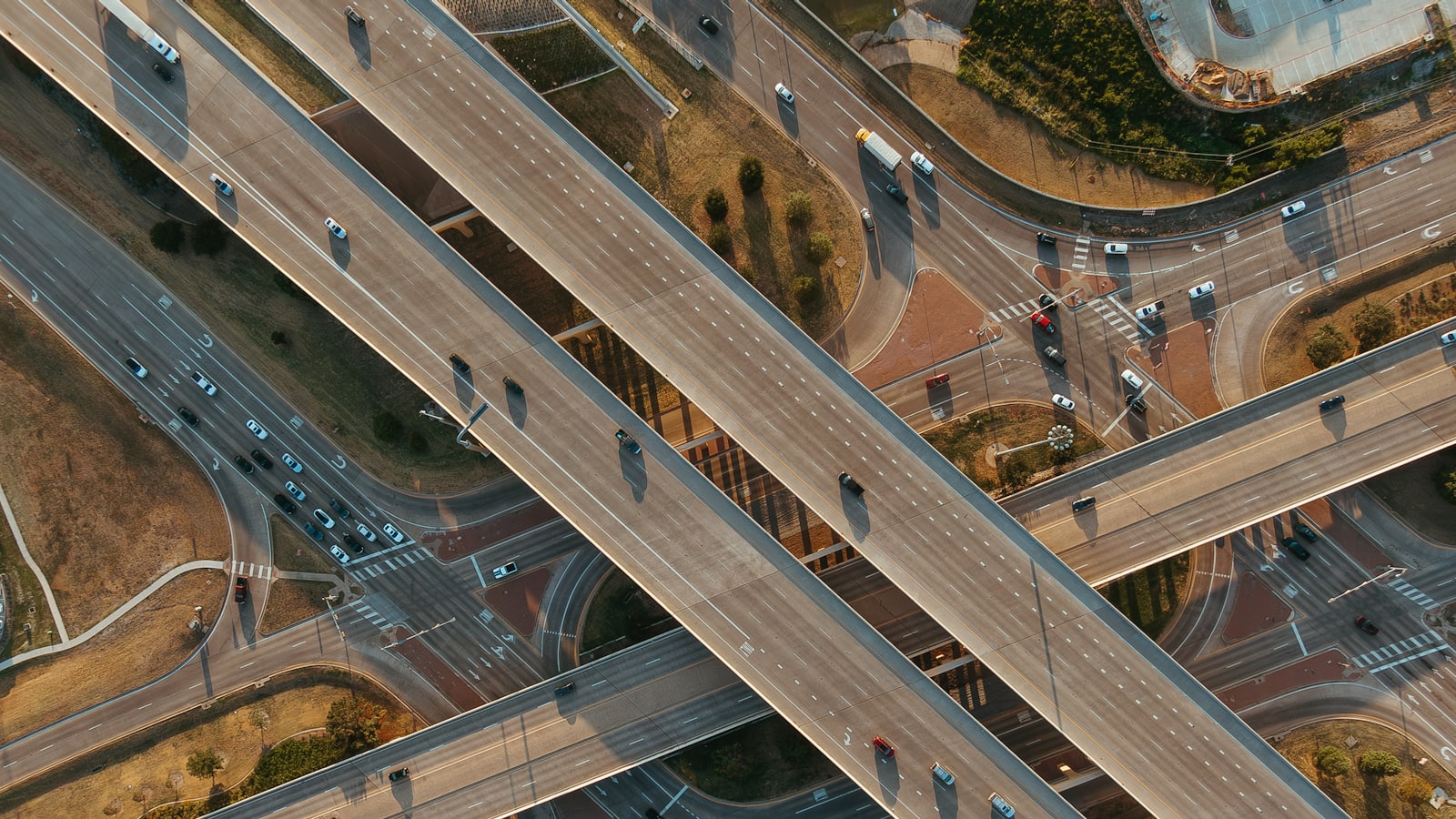
The most studied pinch point sits downtown. TxDOT's I-35 Capital Express Central project, which broke ground in October 2024, targets the eight-mile core through Austin at a cost the agency puts at 5.6 billion dollars. The plan removes the aging upper decks, lowers the main lanes, and adds two non-tolled high-occupancy managed lanes in each direction between US 290 East and State Highway 71. Completion is not expected until 2033.
Those figures describe an unusually expensive piece of road because the old design ran out of room decades ago. A downtown freeway cannot be widened sideways without taking the buildings beside it, so the engineering goes down and up instead. That is a slow and costly way to buy capacity the corridor arguably needed a generation earlier.
What a managed lane actually buys
The two new lanes in each direction are not general-purpose asphalt. As high-occupancy managed lanes they are meant to reward carpools and buses and to give transit a reliable path through the worst of the congestion. The idea is that moving more people per vehicle does more for throughput than simply adding mixed lanes that fill with single-occupant cars as fast as they open, a pattern traffic engineers see repeat on nearly every widening.
Whether drivers use them that way is the open question. A managed lane changes behavior only if the alternative is bad enough and the rules are enforced, and neither is guaranteed on a corridor where most trips still carry one person.
Congestion is a symptom, not the disease
It is tempting to read the traffic on I-35 as an engineering failure, but the deeper cause is success. People and jobs keep arriving faster than lanes can be added, a pattern that mirrors the statewide picture in our snapshot of Texas growth and demographics. A road built for a mid-century city now carries a twenty-first-century megaregion, and no volume of new asphalt closes that gap while the region keeps expanding.
The Texas Department of Motor Vehicles registers the vehicles that fill these lanes, and its rolls have climbed with the population, adding millions of cars and trucks to Texas roads over the past two decades. Each of those registrations is a potential daily trip, and a disproportionate share of them lands on the same central corridor.
The price of waiting
Delay carries a dollar figure even when no one tallies it. Hours lost in traffic are hours not worked, fuel burned at idle, and freight that arrives late, and on a corridor this heavily used those small losses accumulate into a real drag on the regional economy. That hidden cost is a standard part of the case TxDOT makes for spending billions on a rebuild that will itself snarl traffic for years before it ever helps.
Sharing the corridor safely
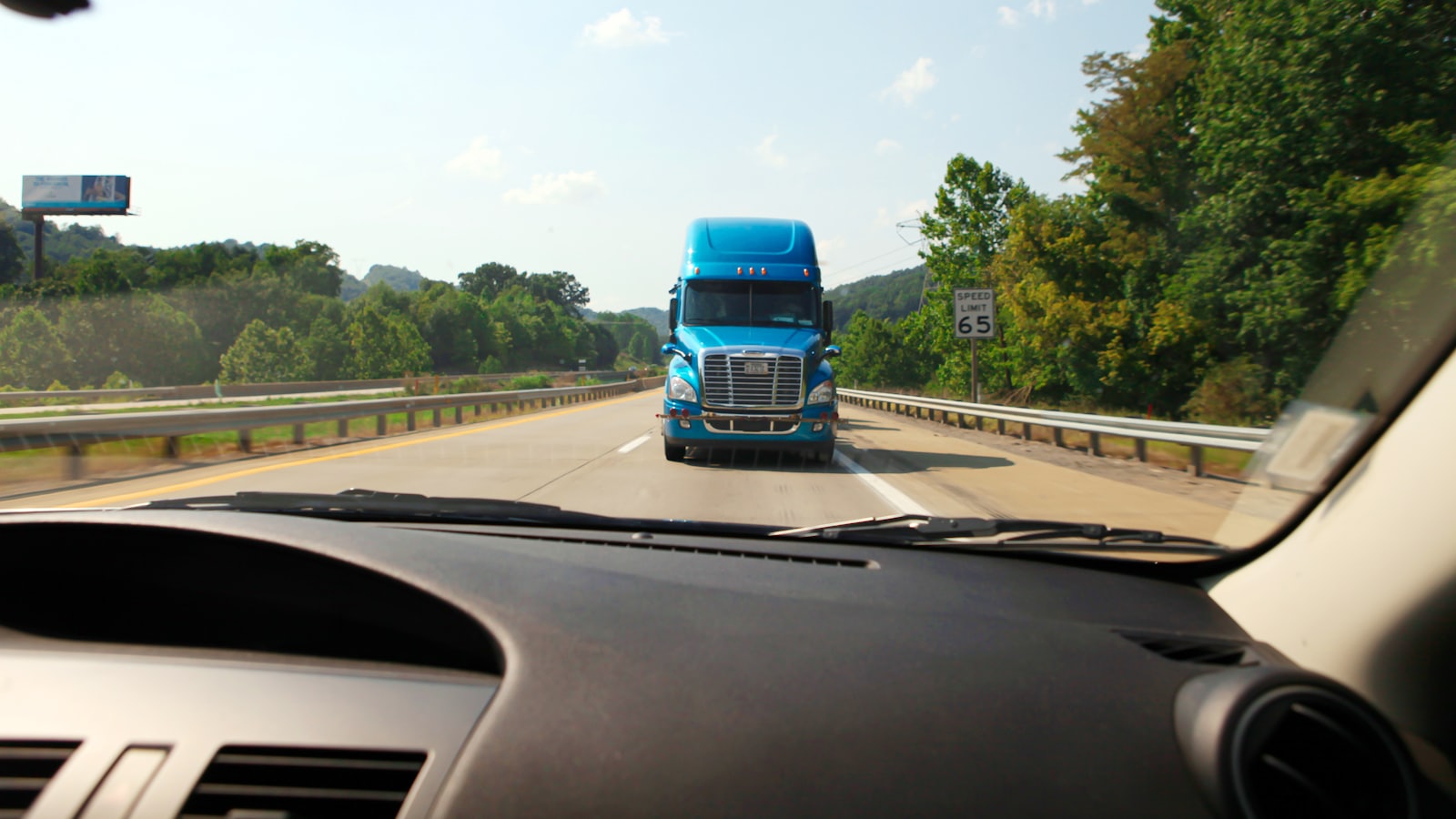
More vehicles on a constrained road also raise the stakes of every mistake. Heavy trucks and passenger cars mixing at interchange speeds is a safety problem as much as a mobility one, the subject of our piece on commercial vehicle safety on Texas highways. The managed lanes in the Austin rebuild are partly a throughput measure and partly a way to separate traffic that behaves very differently at 70 miles an hour.
For now I-35 remains what it has been for half a century, the busiest and most consequential road in Texas, carrying the state's commuters and its commerce in the same crowded lanes. The transportation desk will keep tracking the rebuild, because what happens on this corridor sets the tempo for daily life across the middle of the state.