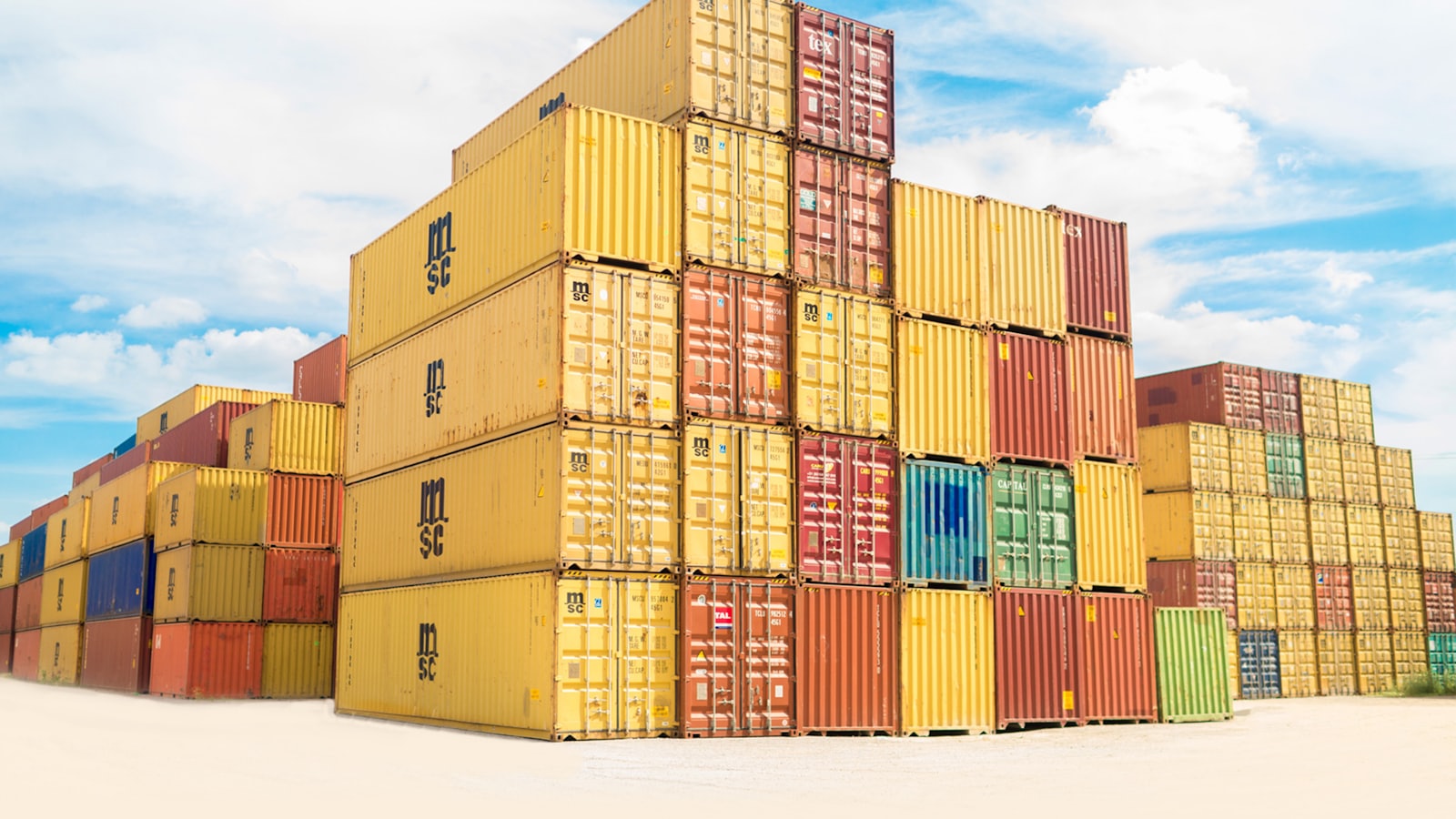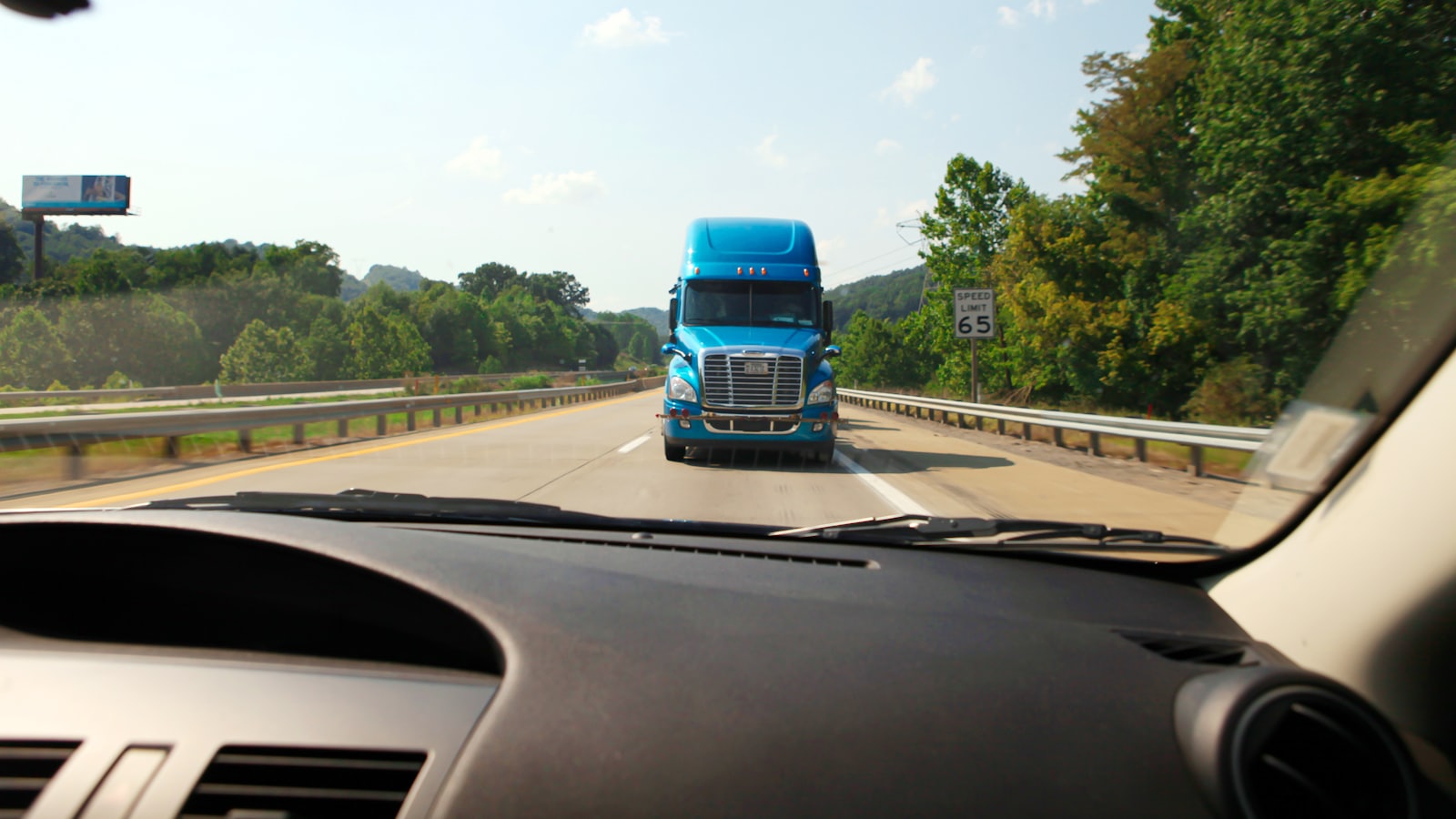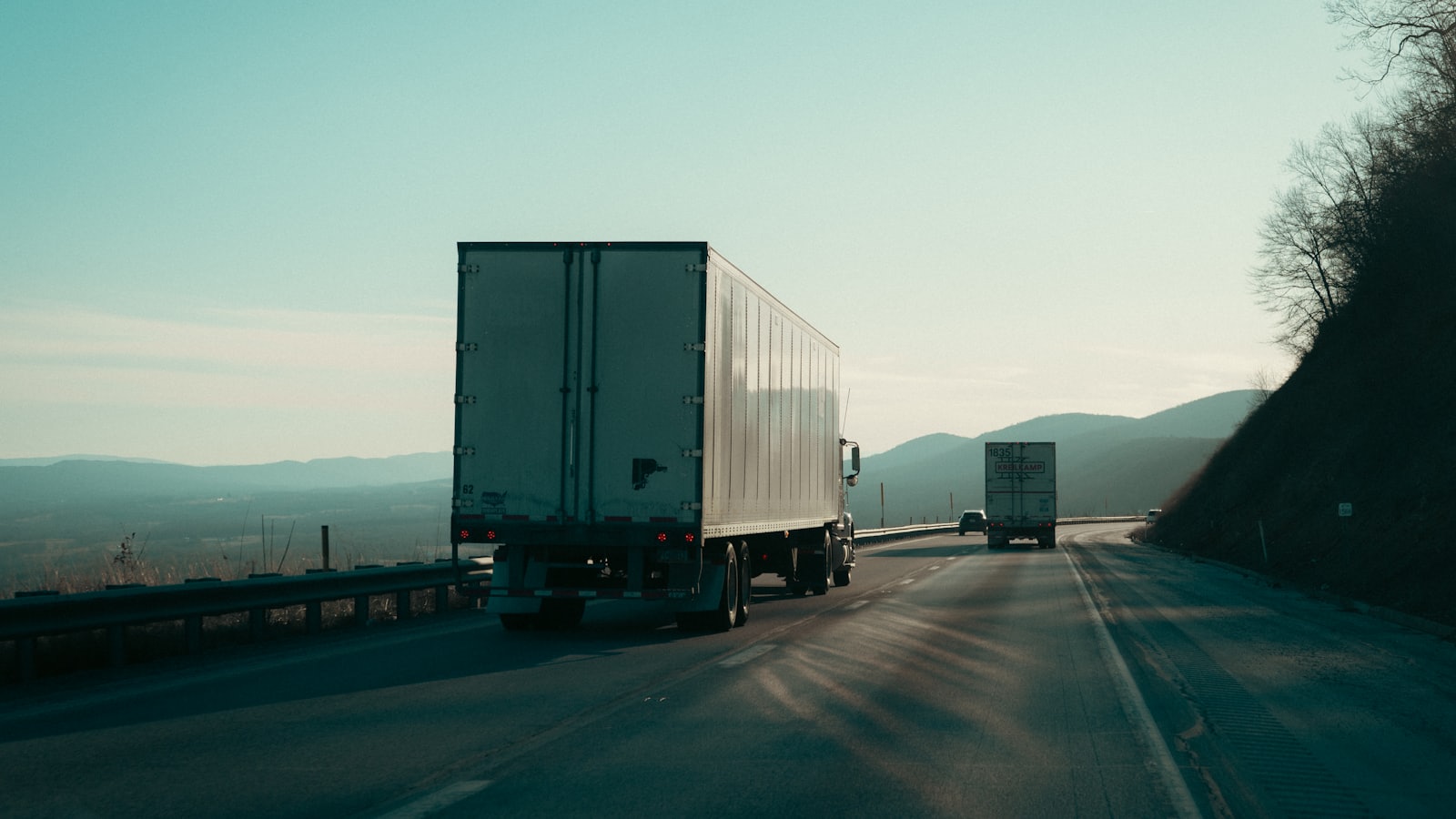
Almost nothing a Texan buys arrives without spending part of its trip in a truck. The gallon of milk, the lumber for a new house in Frisco, the auto parts crossing at Laredo, all of it moves through a freight network so routine that it disappears until it stops. That network, more than any single factory or field, is what physically holds the Texas economy together.
The scale is hard to picture
TxDOT's Texas Freight Mobility Plan put the volume moving on, into, and out of the state at more than 2.2 billion tons in a single recent year, and projected it to keep climbing as population and trade grow. Numbers that large stop meaning much on their own. The useful part is the direction: freight demand in Texas rises roughly in step with the people and businesses arriving, the same pressure straining the roads described in our look at the I-35 corridor.
Trucks do the heavy lifting inside that total. Federal freight data compiled by the Bureau of Transportation Statistics and the Federal Highway Administration through the Freight Analysis Framework consistently show trucking carrying the largest share of goods by both weight and value, ahead of rail, pipeline, water, and air. In a state where destinations sit far apart and often off the rail map, that dominance is structural rather than incidental.
Laredo, the gate the country leans on
The clearest window into Texas freight is a single border city. The Texas Comptroller reported that the Laredo port district handled 333.9 billion dollars in trade in 2024, which was 64 percent of all trade crossing Texas land ports and 32 percent of the state's total trade. It logged more than 28 million border crossings that year, the most of any Texas land port. A large share of that traffic is trucks hauling goods between American and Mexican plants that increasingly run as one supply chain.
Those goods do not stop at the river. From Laredo they climb north on the interstates toward Dallas, Kansas City, and the wider market, which is why the border and the highway are one story and not two. When crossing times lengthen or a corridor floods, the delay ripples outward to warehouses hundreds of miles inland that were counting on a delivery window.
More than trucks
Freight in Texas is multimodal even where trucking leads. The Gulf ports at Houston and beyond move bulk commodities and containers by water. Class I railroads haul long-distance tonnage that would swamp the highways if it shifted to rubber tires overnight. Pipelines carry energy products underground and out of the traffic entirely. The Freight Mobility Plan treats these as one system precisely because a bottleneck in any of them pushes load onto the others, and usually onto the roads.
That interdependence is the argument for planning freight as public infrastructure rather than leaving each mode to fend for itself. A rail bottleneck becomes a truck problem, and a truck problem becomes a congestion and safety problem for everyone else sharing the lane.
The people and rules behind the wheel
A freight network is only as reliable as the workforce and the safety regime around it. The drivers, dispatchers, and warehouse crews who keep goods moving are the subject of our reporting on jobs, trade, and the Texas freight workforce, and their numbers have not always kept pace with demand. Oversight sits largely with the Federal Motor Carrier Safety Administration, which licenses carriers, sets hours-of-service limits, and runs the inspection system meant to keep unsafe trucks off the road.
That safety layer is not paperwork. Mixing eighty-thousand-pound trucks with passenger traffic on crowded interstates is the hazard at the center of our coverage of commercial trucks and highway safety. Every efficiency gained in freight has to be weighed against what it does to that risk, because a faster network that is also more dangerous is not a bargain the public accepts for long.
The warehouse follows the highway
Freight does not only travel, it also lands somewhere. The boom in distribution centers ringing Dallas, Houston, and San Antonio is the ground-level result of all that tonnage, each big box positioned to sit a short truck run from an interstate on-ramp. Where those warehouses cluster reshapes local traffic, land use, and the labor market around them, turning a national logistics decision into a very local question about roads, jobs, and neighborhood congestion.
That is why freight planning is never only about the long haul. The efficiency of the last few miles, from the interstate to the loading dock and out to the store, decides whether the whole chain delivers on the promise the tonnage figures imply.
Growth is the real forecast
The reason freight planning matters now, before any visible crisis, is that the demand curve is already known. Texas keeps adding residents and factories, and each one generates shipments that have to reach a shelf or a loading dock. A network sized for today's tonnage will be undersized within a decade if nothing is built, which is why the useful debates are about capacity years out, not about last week's traffic.
Quiet infrastructure, real stakes
The freight system rarely makes news when it works, which is most of the time. It makes news when a bridge closes, a port backs up, or a border lane snarls, and suddenly the invisible becomes a headline about empty shelves and idled plants. The transportation desk covers it in the calm periods on purpose, because the decisions that determine whether Texas can keep moving a growing volume of goods are being made now, in freight plans and budget lines, long before the next disruption puts them to the test.