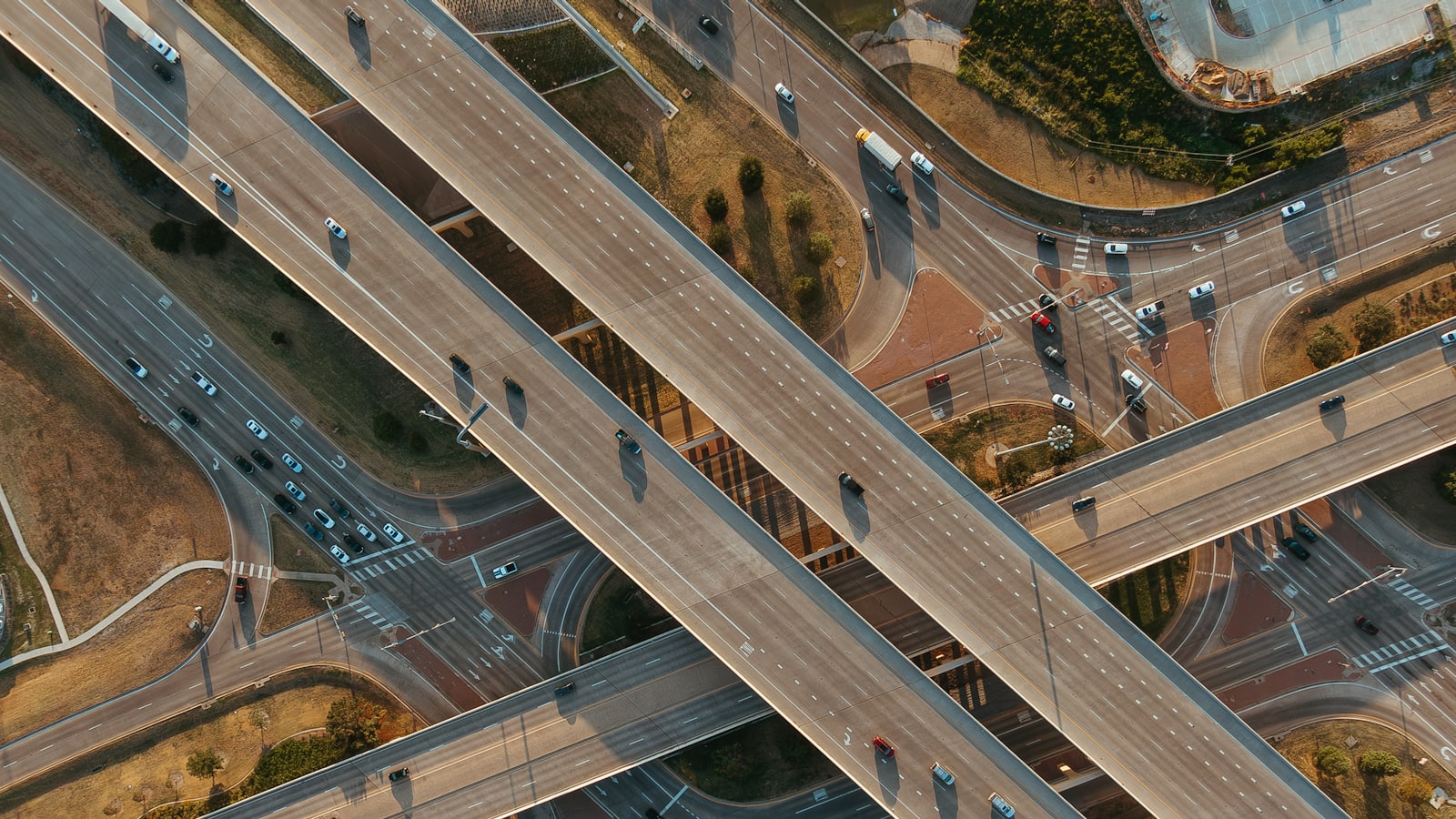
Transportation
Texas Emissions Testing Counties in 2026
Find the 17 current testing counties, the vehicle exemptions, and Bexar County's scheduled November 1, 2026 start date.
Every story published by Voices of Texas, newest first.
Find the 17 current testing counties, the vehicle exemptions, and Bexar County's scheduled November 1, 2026 start date.
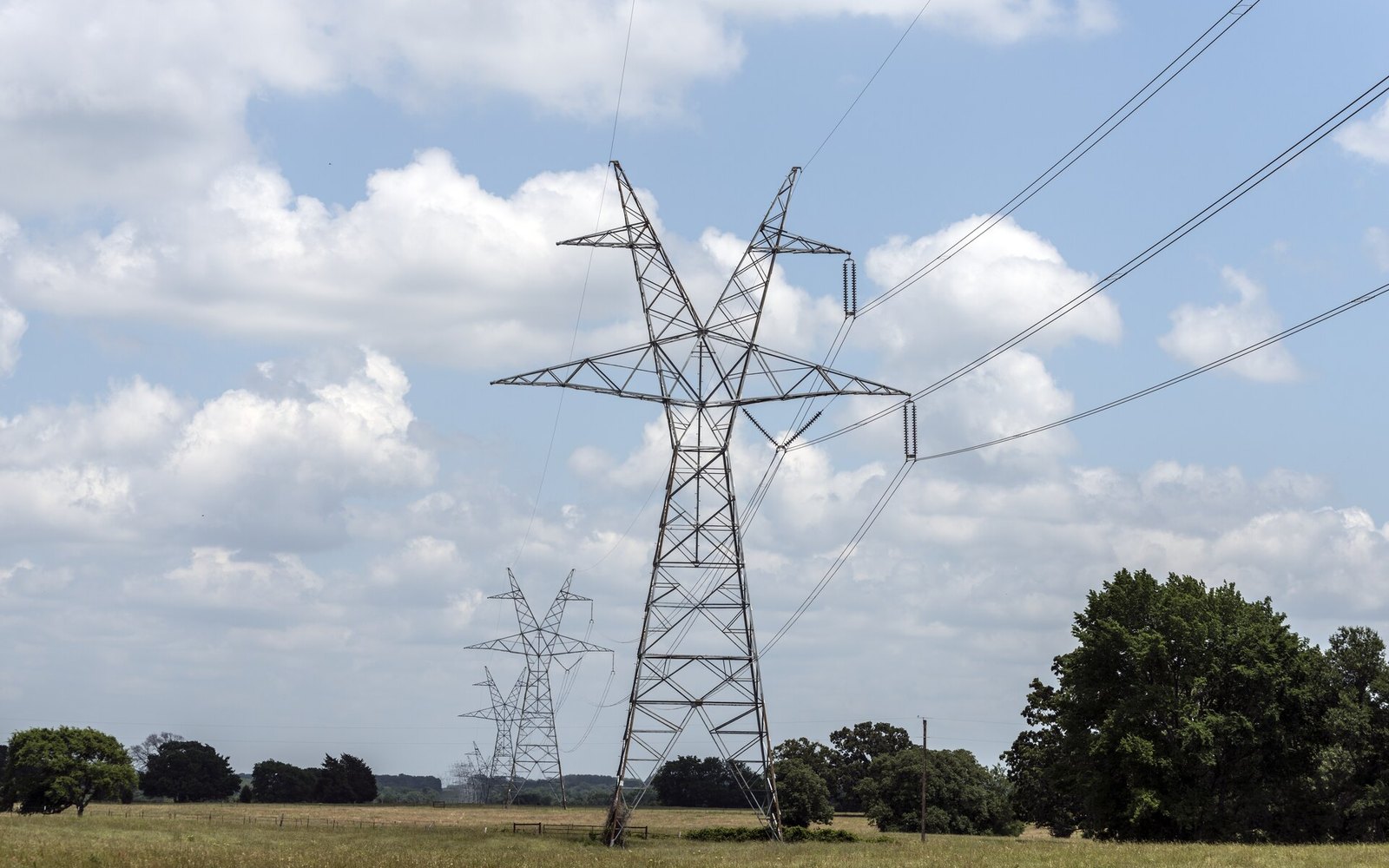
Texas runs its own electric grid, and that one decision shapes who regulates it, how generators get paid, and what happens when demand outruns supply.
Texas plans against the driest stretch it has ever recorded, and resilience is the work of closing the gap between that benchmark and a state pushing toward 51 million people.
Texas set a target for how many working-age adults should hold a credential by 2030, and meeting it runs through community colleges, universities, and the boards that link them to open jobs.
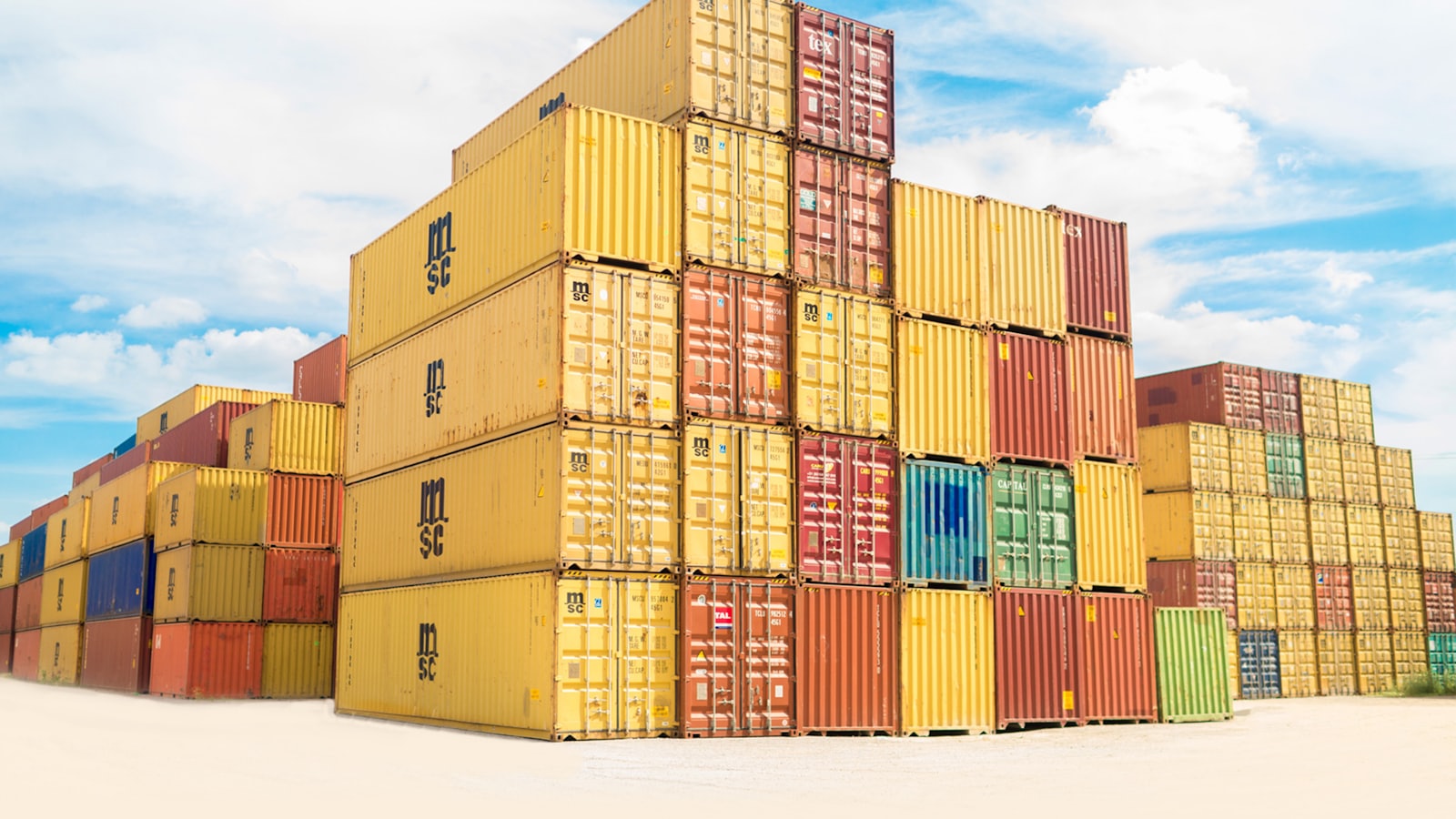
The tonnage crossing at Laredo is also a payroll, and the drivers, dock crews, and dispatchers behind it rise and fall with trade across the whole state.
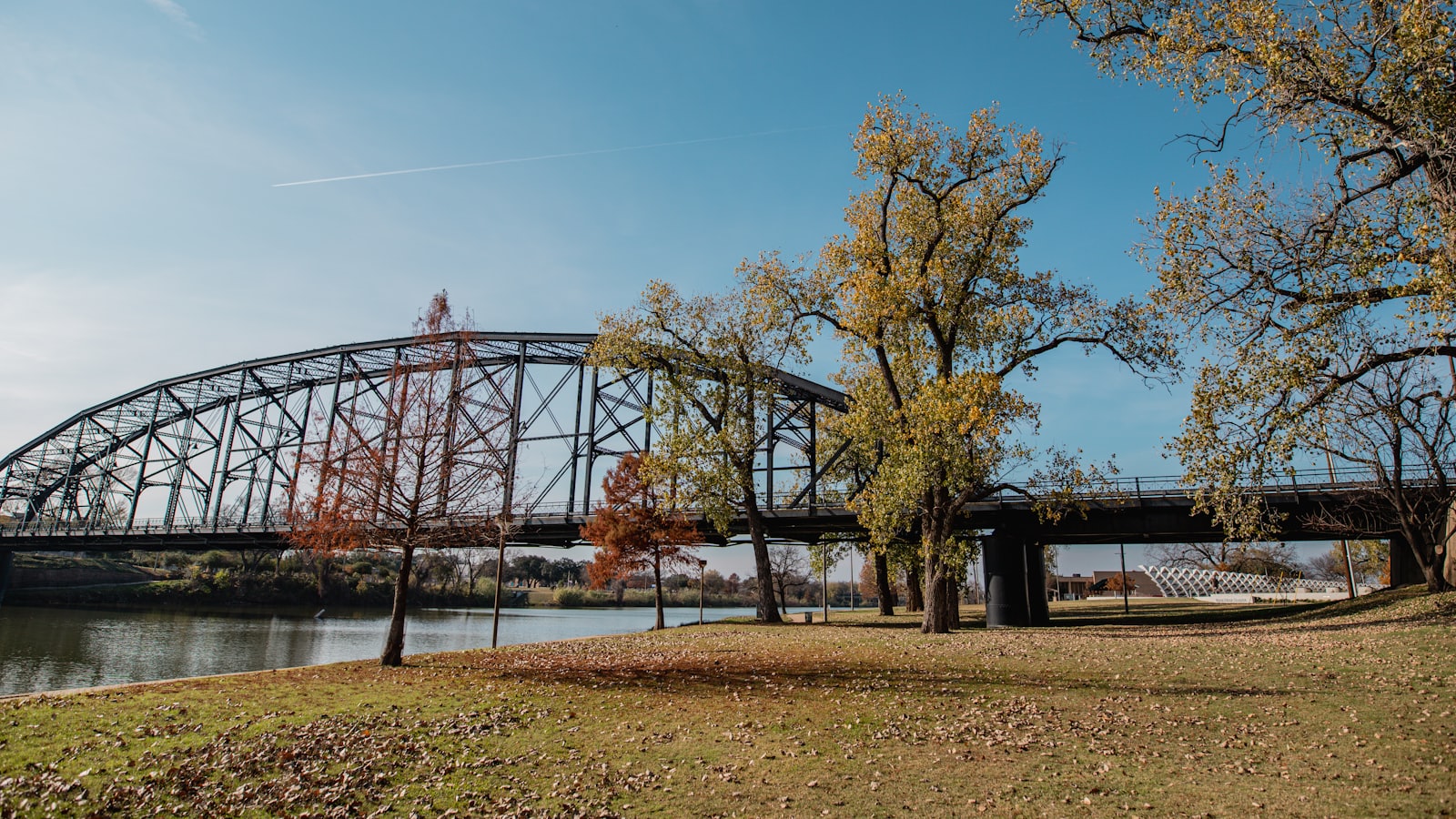
Texas keeps the largest bridge inventory in the country, and federal inspection data shows it holds the poor-condition share near the lowest in the nation.
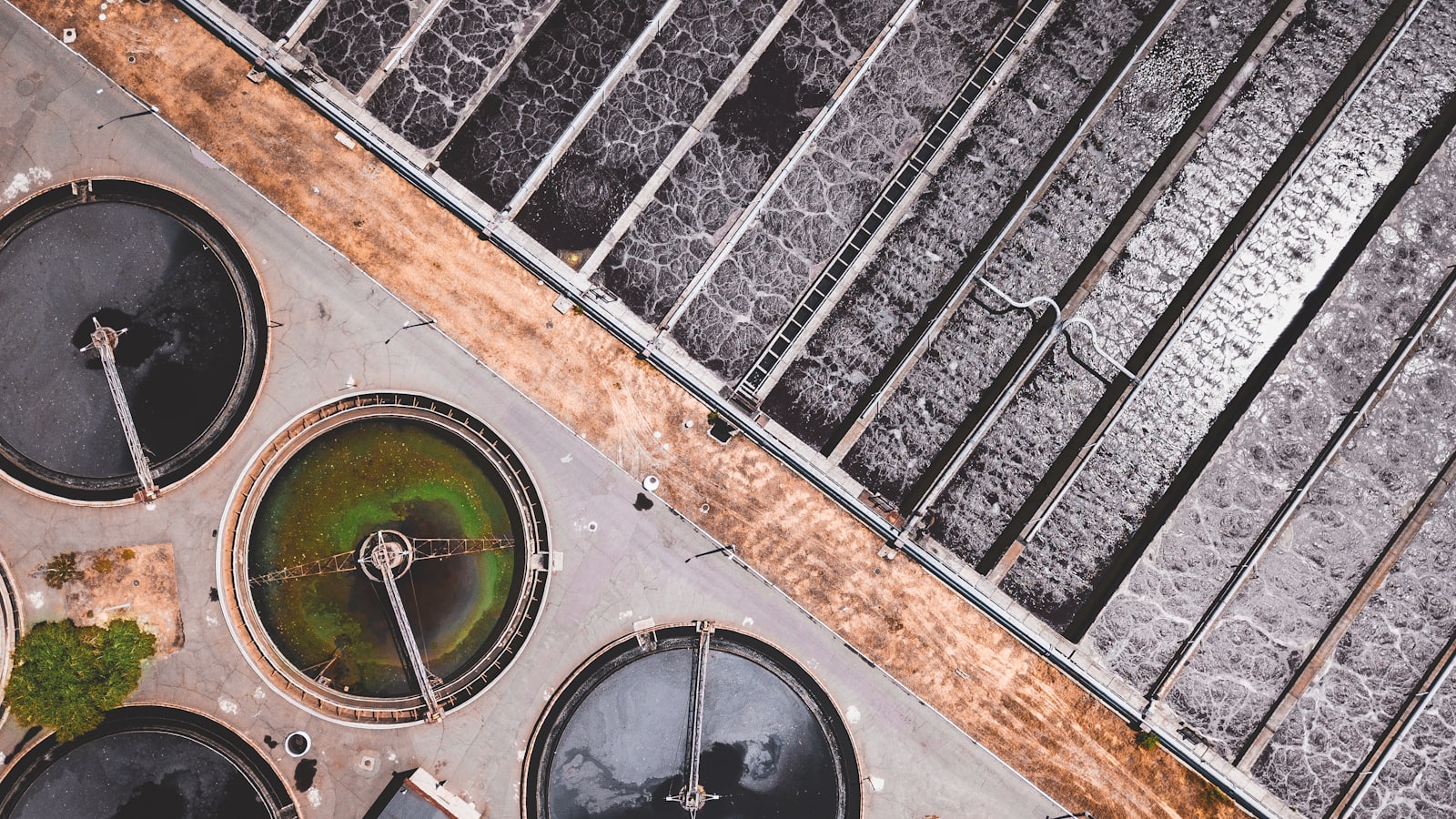
A fast-growing state is asking more from a shrinking water base, and the state water plan spells out how far apart supply and demand could drift by 2070.
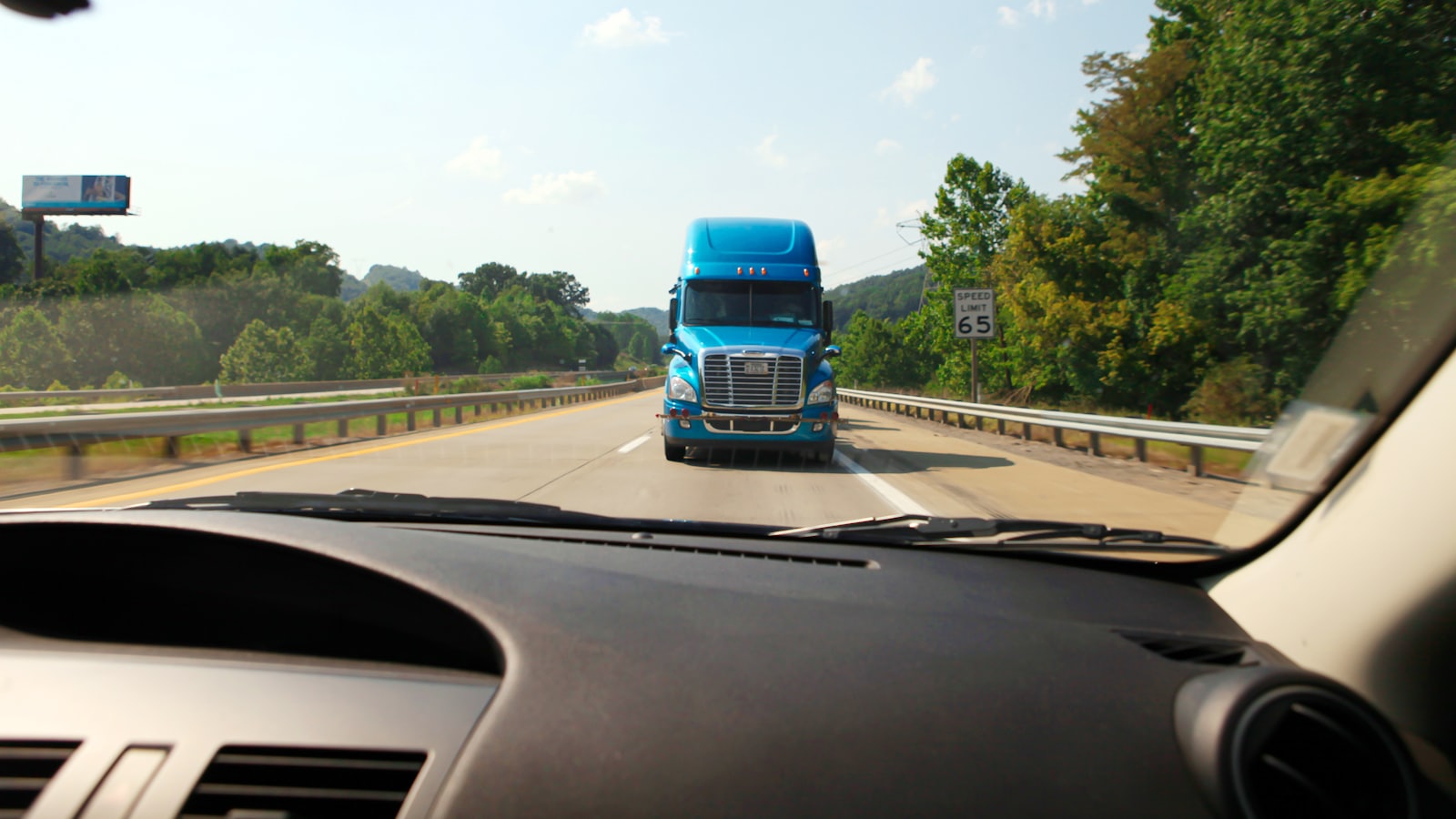
A single loaded truck can outweigh the car beside it many times over, and a joint federal and state safety system exists to keep that mismatch from turning fatal.
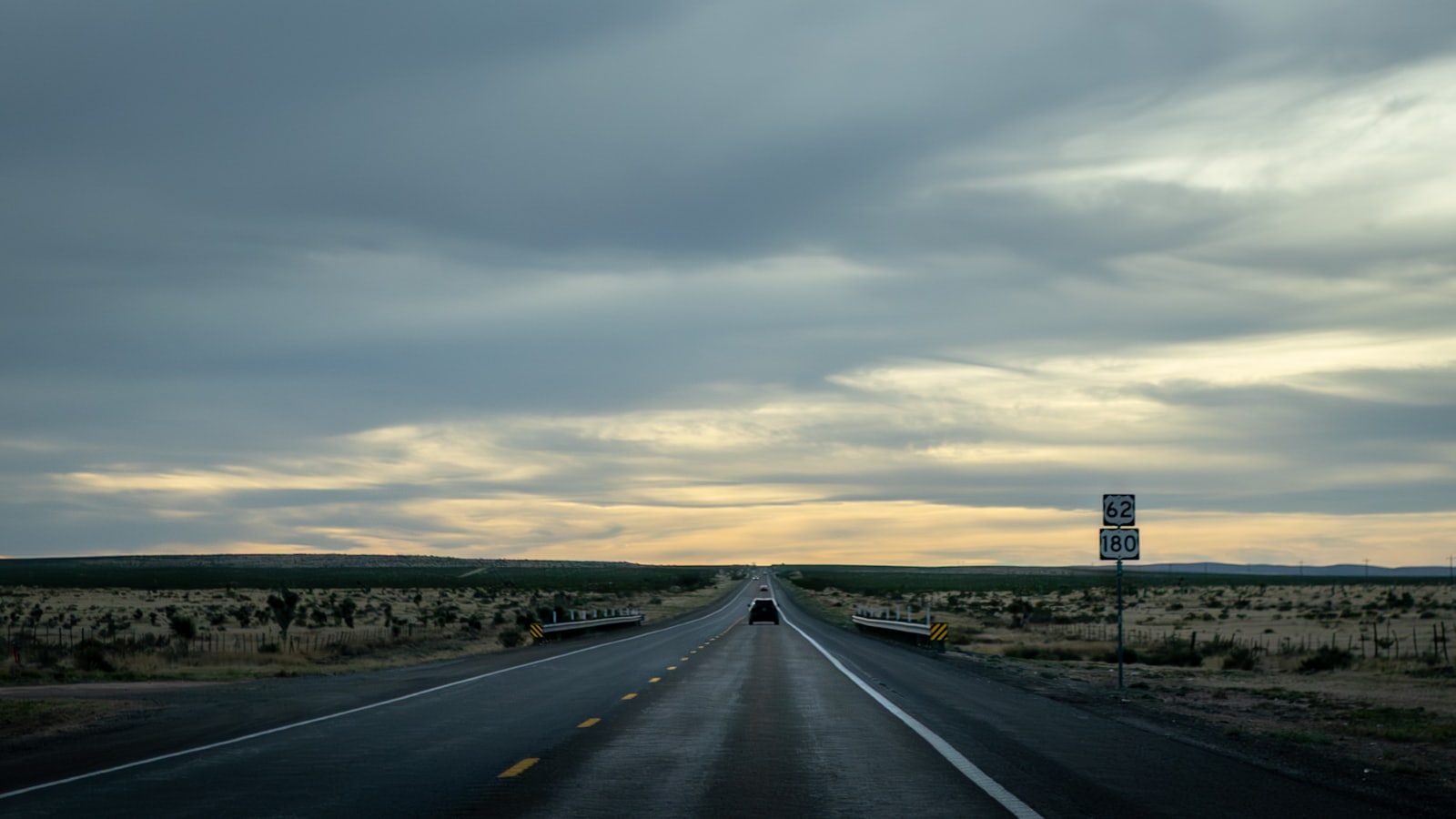
Texas has not had a death-free day on its roads since 2000, and the crash record shows the deadliest miles are rarely the most crowded ones.
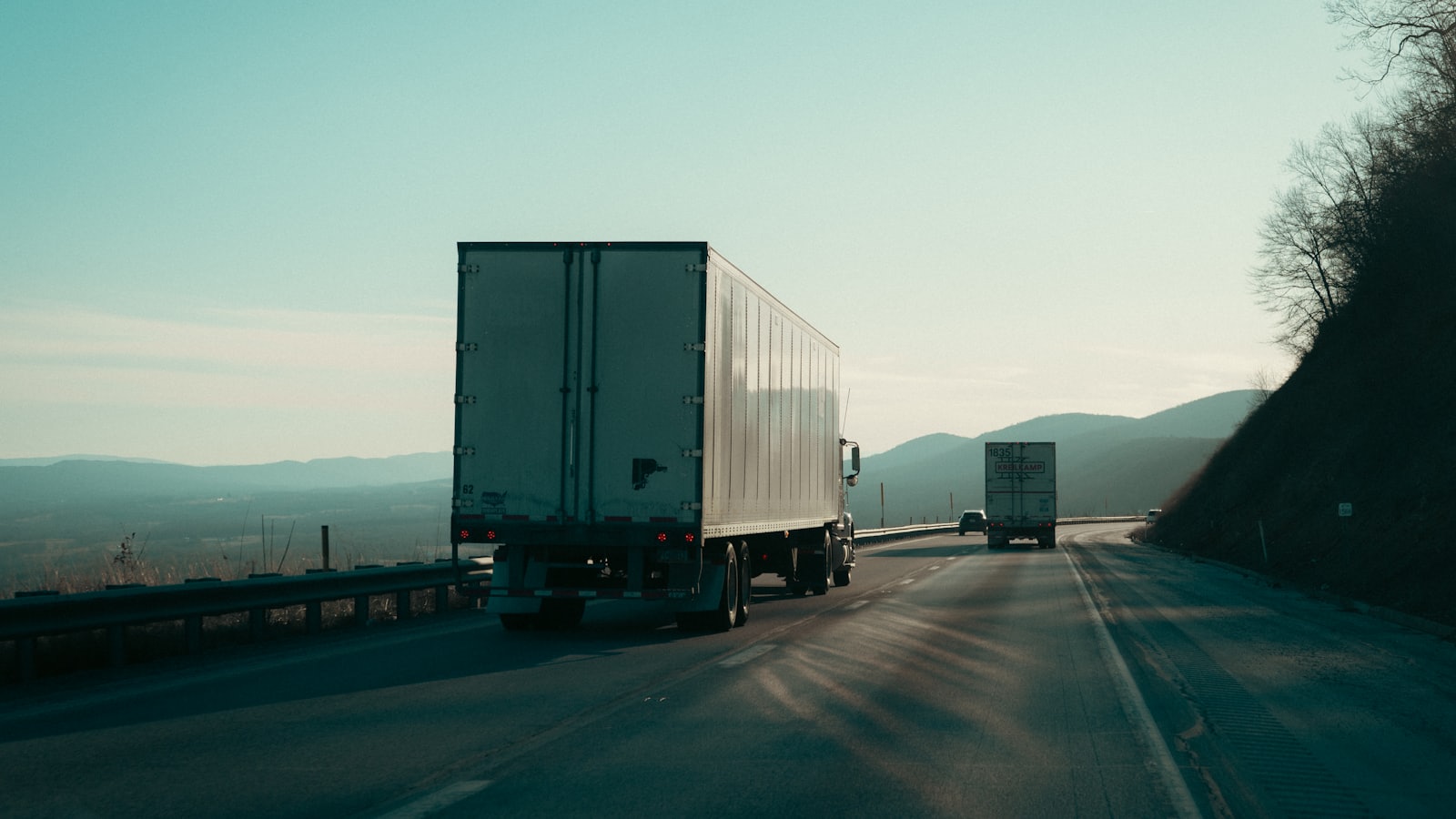
Most of what Texans buy, build, and export spends part of its journey on a truck, which makes the freight network quiet infrastructure the whole economy leans on.
One interstate ties San Antonio, Austin, and the Dallas-Fort Worth metroplex into a single congested spine, and the state is spending billions to rebuild it.
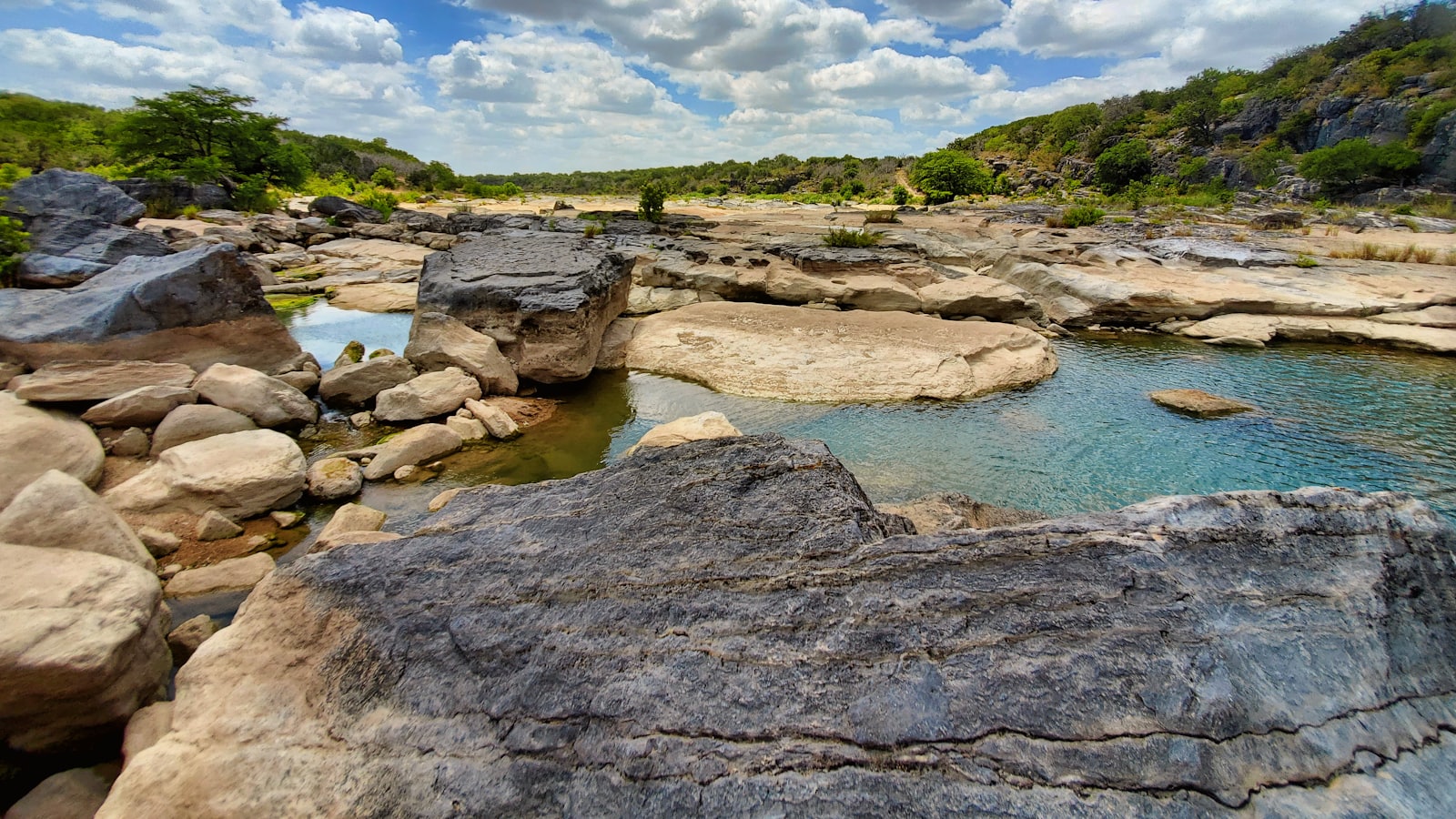
The Texas Comptroller splits the state into twelve economic regions, and the border, the Panhandle, and the metro triangle answer the same pressures in very different ways.
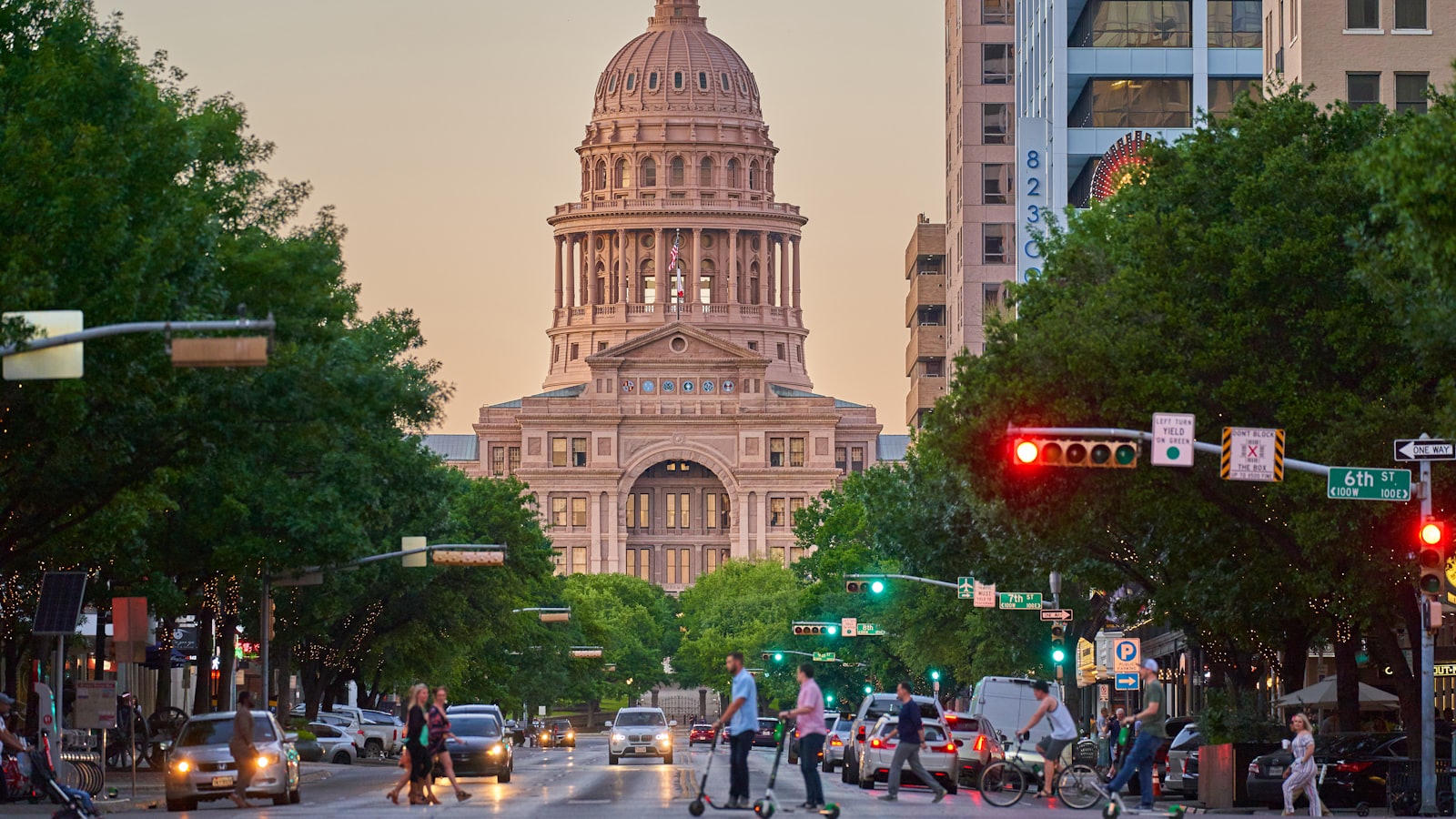
Texas added more people than any other state again last year and passed 31 million residents, and the mix of who lives here is shifting as fast as the total climbs.
A record population and a hollowing countryside can share the same state, and the balancing act between them plays out over land, water, schools, and jobs.

In much of rural Texas the distance to care is measured in counties, and hospital closures, provider shortages, and thin coverage all pull in the same direction.
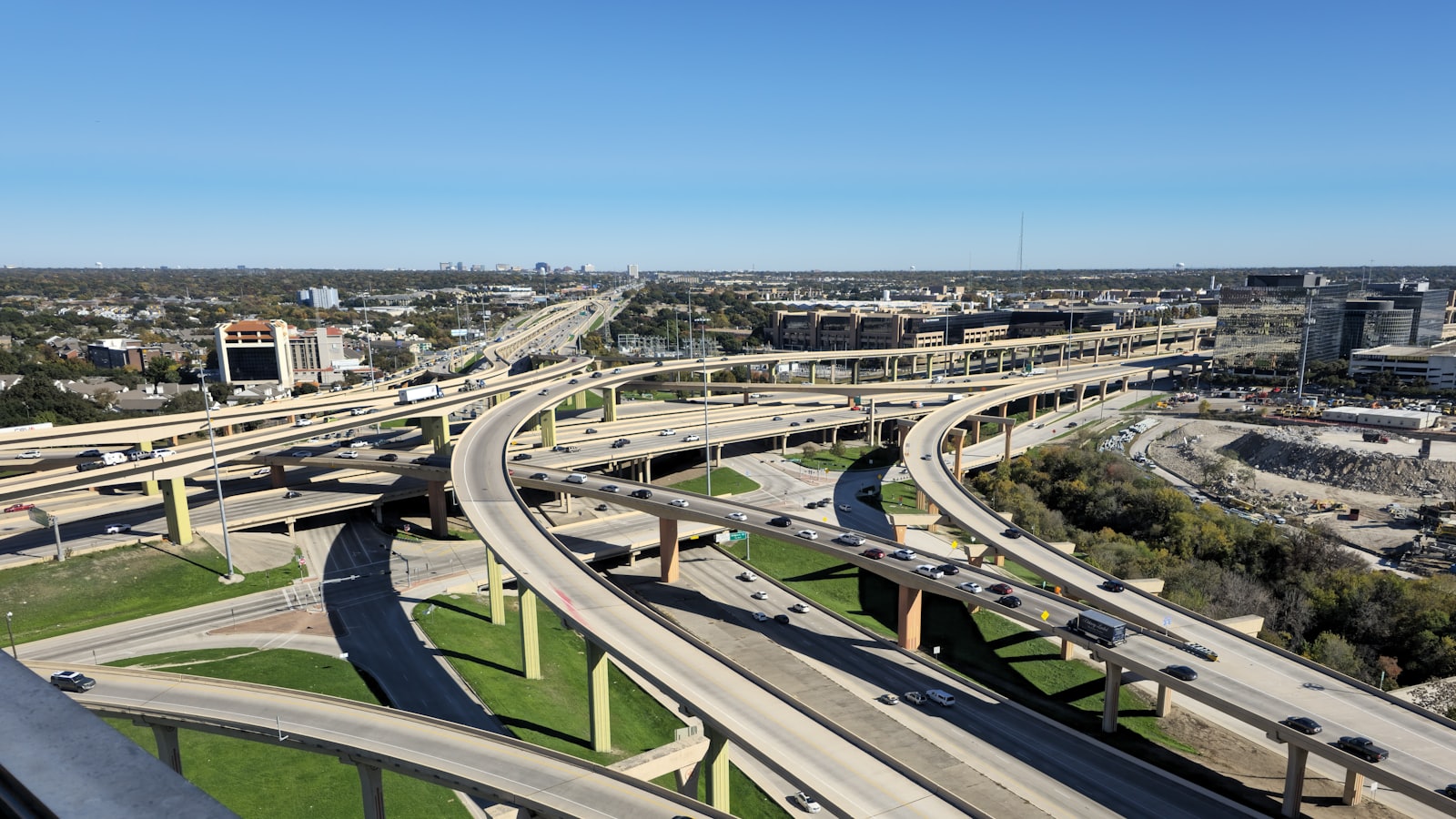
Where you live in Texas decides how far you drive, how long it takes, and how easily you reach a job, a clinic, or a school.
Strong schools and strong communities tend to travel together in Texas, and the link runs through early access, steady school funding, and how far a diploma carries a young Texan.
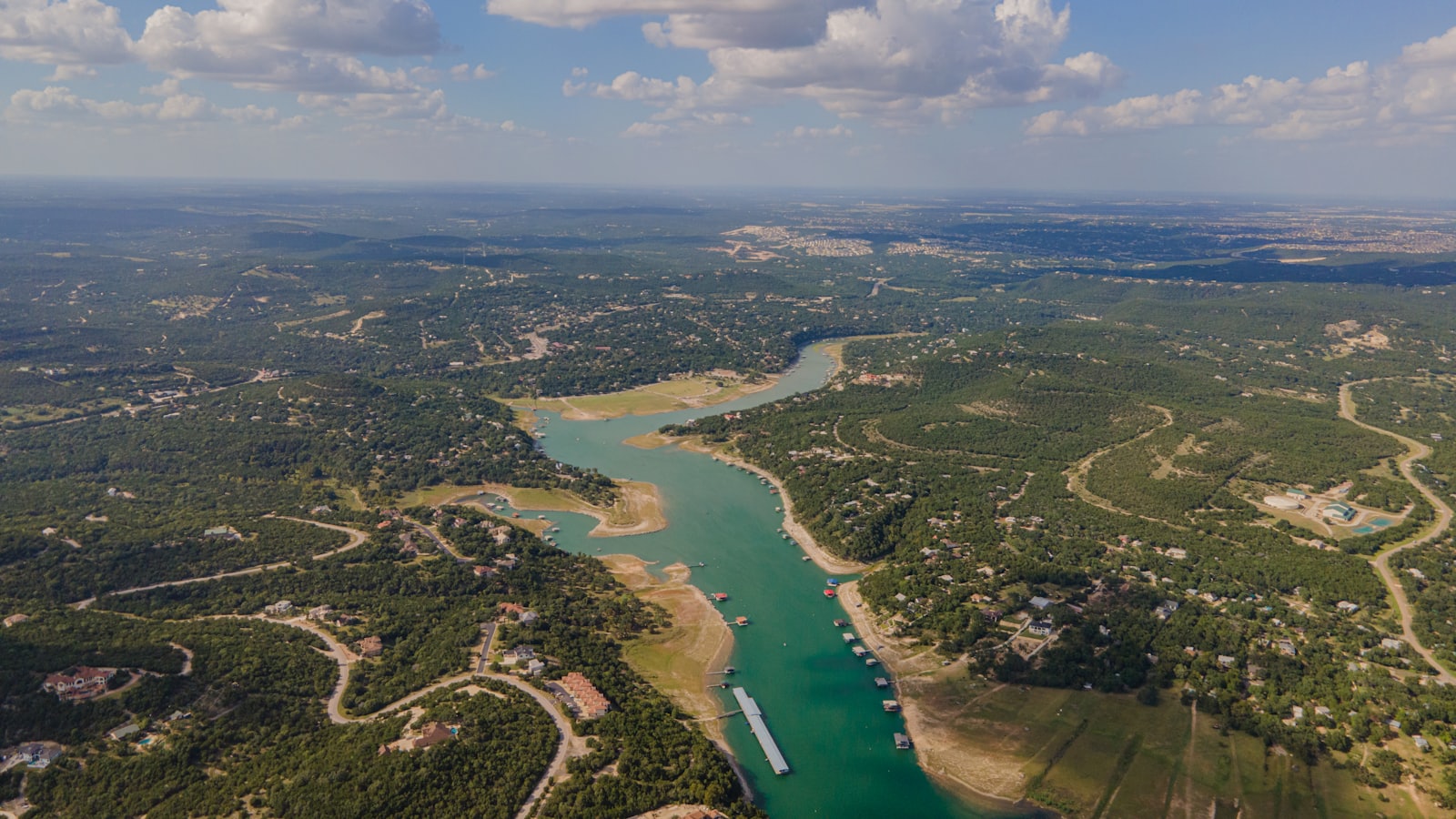
The air a neighborhood breathes, the water it drinks, and the heat and floodwater it must live with are all planning decisions long before they are health outcomes.
A record statewide output figure and a family that feels no richer can share the same year, and the gap between them is where community economics actually lives.