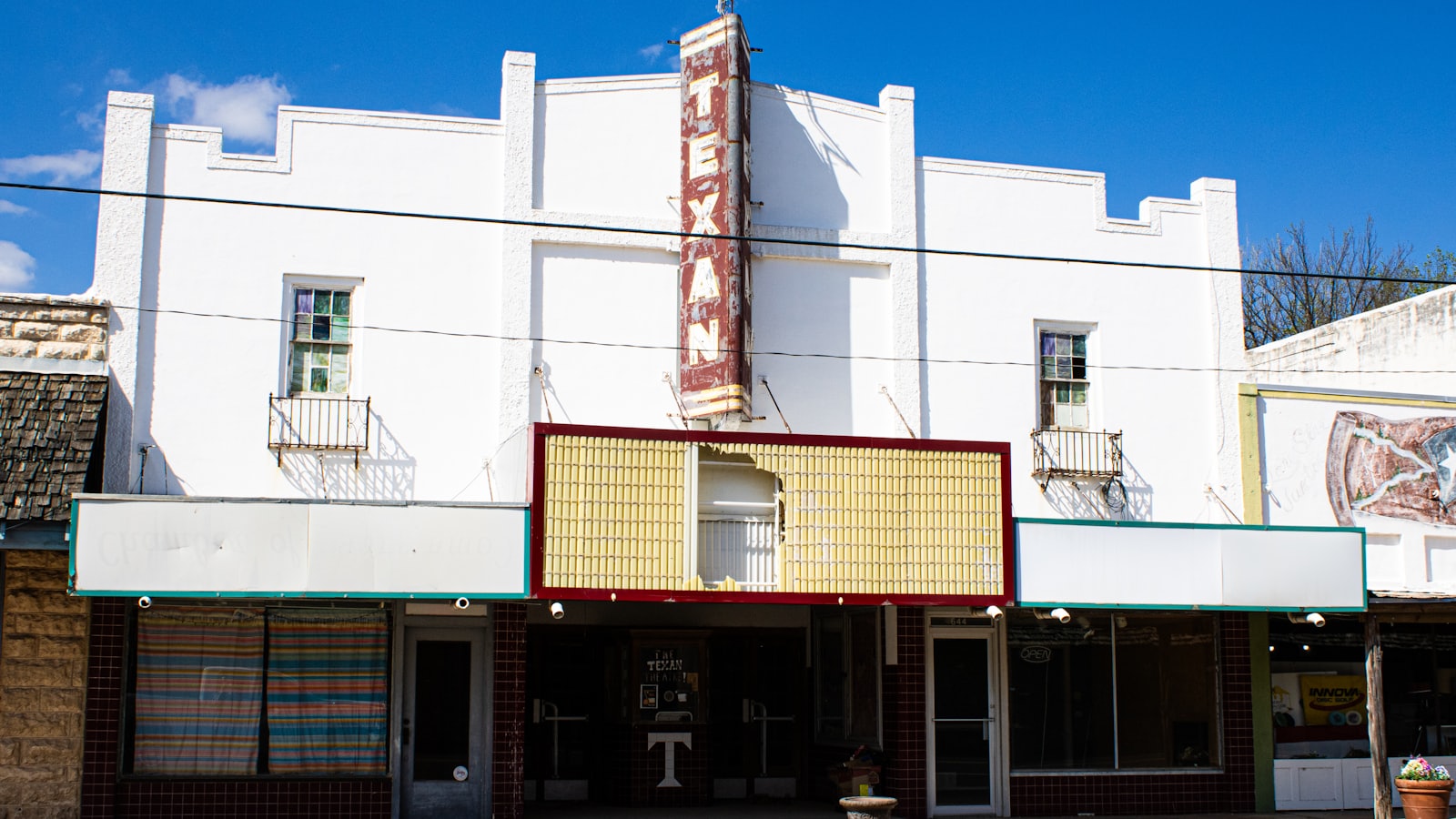
In much of rural Texas, the distance to care is measured in counties, not blocks. A resident of a small West Texas town may live an hour or more from the nearest hospital with an emergency room, and further still from a specialist. That distance is the starting condition for everything else about rural health in the state, and it is the one factor no clinic can shorten on its own.
The gap is not random. It tracks the same population split described in our reporting on urban growth versus rural sustainability: care concentrates where patients and payrolls concentrate, and thins out where the map empties. Understanding why rural access stays uneven means looking at four forces that pull in the same direction.
Fewer hospitals to reach
The most visible force is the loss of rural hospitals. Over the past decade a string of rural Texas hospitals have closed or dropped inpatient services, and each closure pushes the nearest emergency care further down the highway. The Texas Health and Human Services Commission administers programs meant to keep the remaining rural facilities open, including support tied to the specialized federal designations that small and isolated hospitals rely on. That such programs exist at all is a measure of how fragile the rural hospital has become.
A closure is rarely just a health event. A rural hospital is often among the largest employers in its county, so when it goes the county loses jobs, tax base, and a reason for physicians to stay, which makes the next closure more likely. The link between a hospital and the town around it runs in both directions.
Not enough providers to go around
Even where a facility stays open, staffing it is a separate battle. The Texas Department of State Health Services tracks the supply of physicians and other health professionals across the state, and rural counties consistently show the thinnest ratios of providers to residents. A county can have a clinic building and still lack a full-time doctor to run it.
The federal government puts a formal label on the shortage. The U.S. Health Resources and Services Administration designates places with too few providers as Health Professional Shortage Areas, and a large share of rural Texas carries that designation for primary care, dental, or mental health. Those designations are not merely descriptive. They govern which places qualify for federal recruitment incentives meant to draw clinicians onto underserved ground.
Distance turns into risk
Distance is not a neutral inconvenience in medicine. The time it takes to reach care is itself part of the outcome, a point that connects directly to our reporting on how transportation shapes daily life across Texas. A road closure, a missing vehicle, or the absence of any fixed-route transit can turn a manageable condition into an emergency simply by adding hours to the trip. In counties where the nearest specialist sits two or three counties away, the highway is part of the care system whether anyone planned it that way.
Coverage is its own kind of access
Reaching a provider only matters if a patient can afford the visit. Federal Census Bureau surveys have long shown Texas with one of the highest uninsured rates in the country, and that gap falls hard on rural areas where employer coverage is thinner and incomes are lower. A community without a hospital and without insurance faces two locked doors at once. The Texas Health and Human Services Commission is the state agency that administers public coverage programs, and the reach of those programs shapes who can actually use the care that remains.
Why the gap is structural, not accidental
Put the four forces together and the pattern stops looking like a run of bad luck. Distance, hospital closures, provider shortages, and coverage gaps all track the same rural geography, and each one feeds the others. Fewer patients make a hospital harder to sustain; a closed hospital drives away providers; missing providers earn a shortage designation; and thin coverage leaves less revenue to reverse any of it.
None of that makes rural Texas a lost cause, and this desk reports on public data rather than handing out medical advice. The value of the record is that it shows where the gaps are and what drives them, which is the same starting point behind our broader look at how Texas differs from region to region. The Communities desk stays with the question the numbers keep raising: what it takes for a rural county to keep care within reach of the people who live there.