Culture
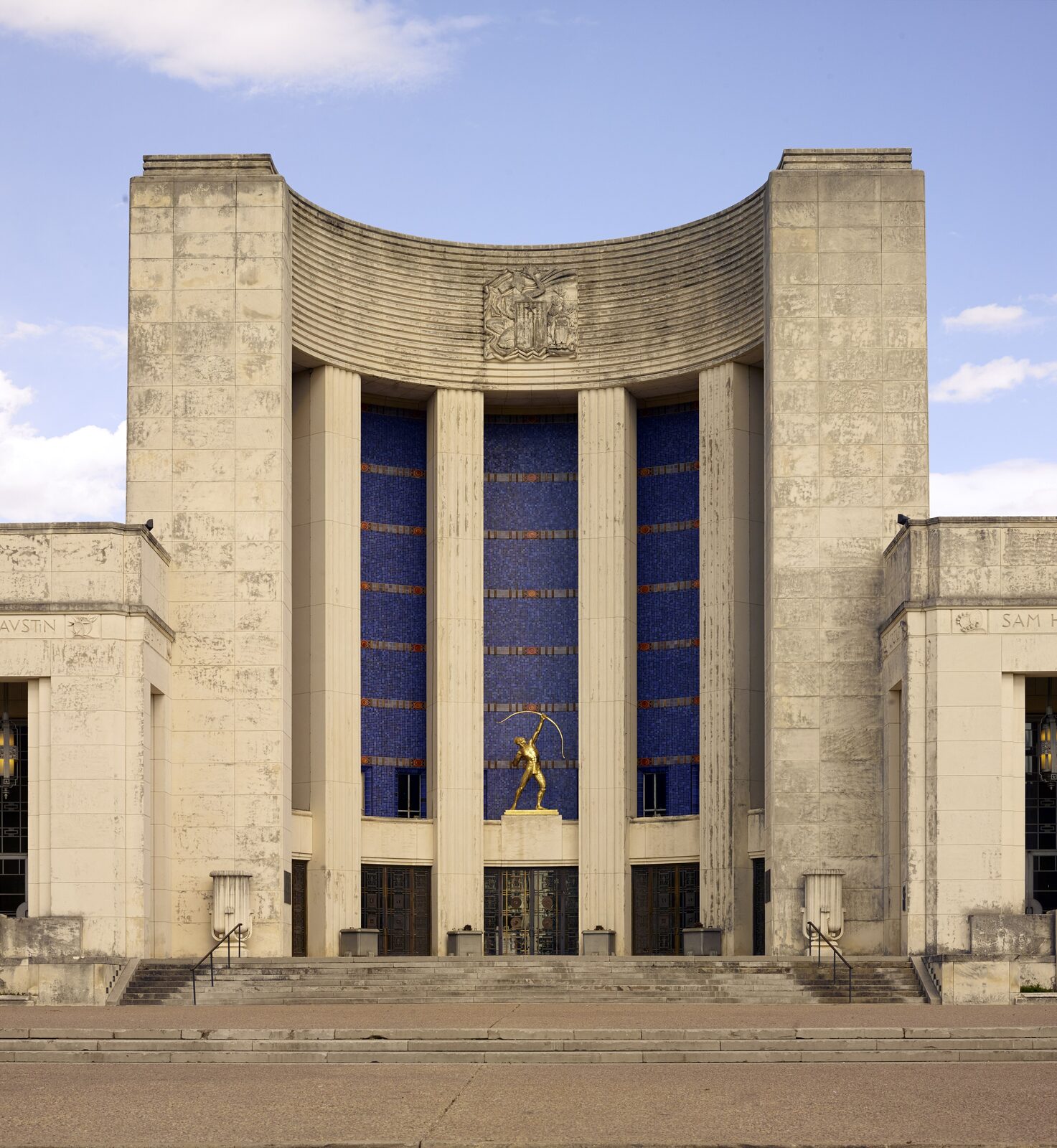
The State Fair of Texas and the Making of Big Tex
A fair chartered in 1886 sits inside one of the country's largest intact 1930s exposition grounds, watched over by a cowboy that began life as a small town Santa Claus.
A fair chartered in 1886 sits inside one of the country's largest intact 1930s exposition grounds, watched over by a cowboy that began life as a small town Santa Claus.
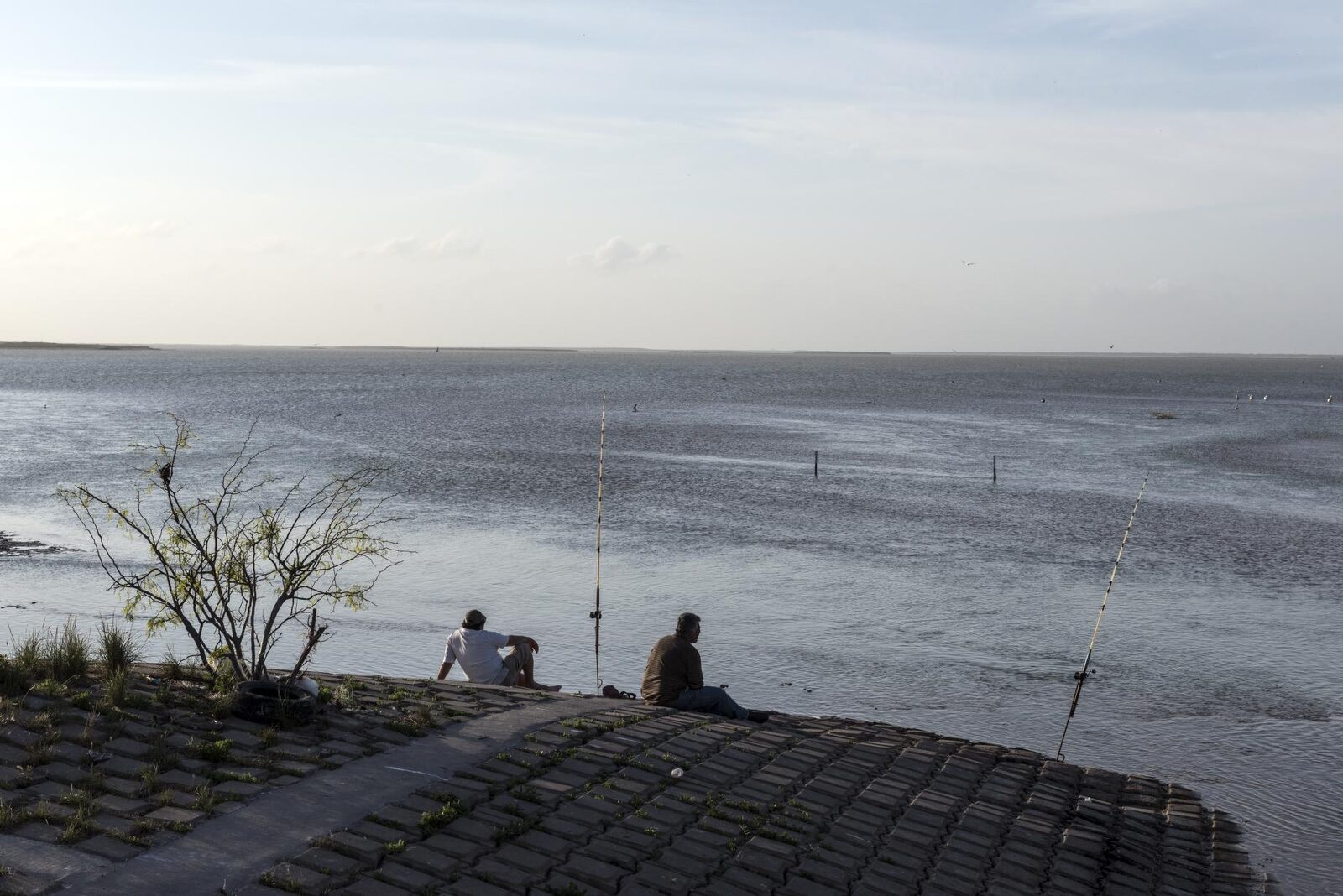
Texas licenses anglers by age, residency and type of water, with a license year that ends every August 31 no matter when you bought in.
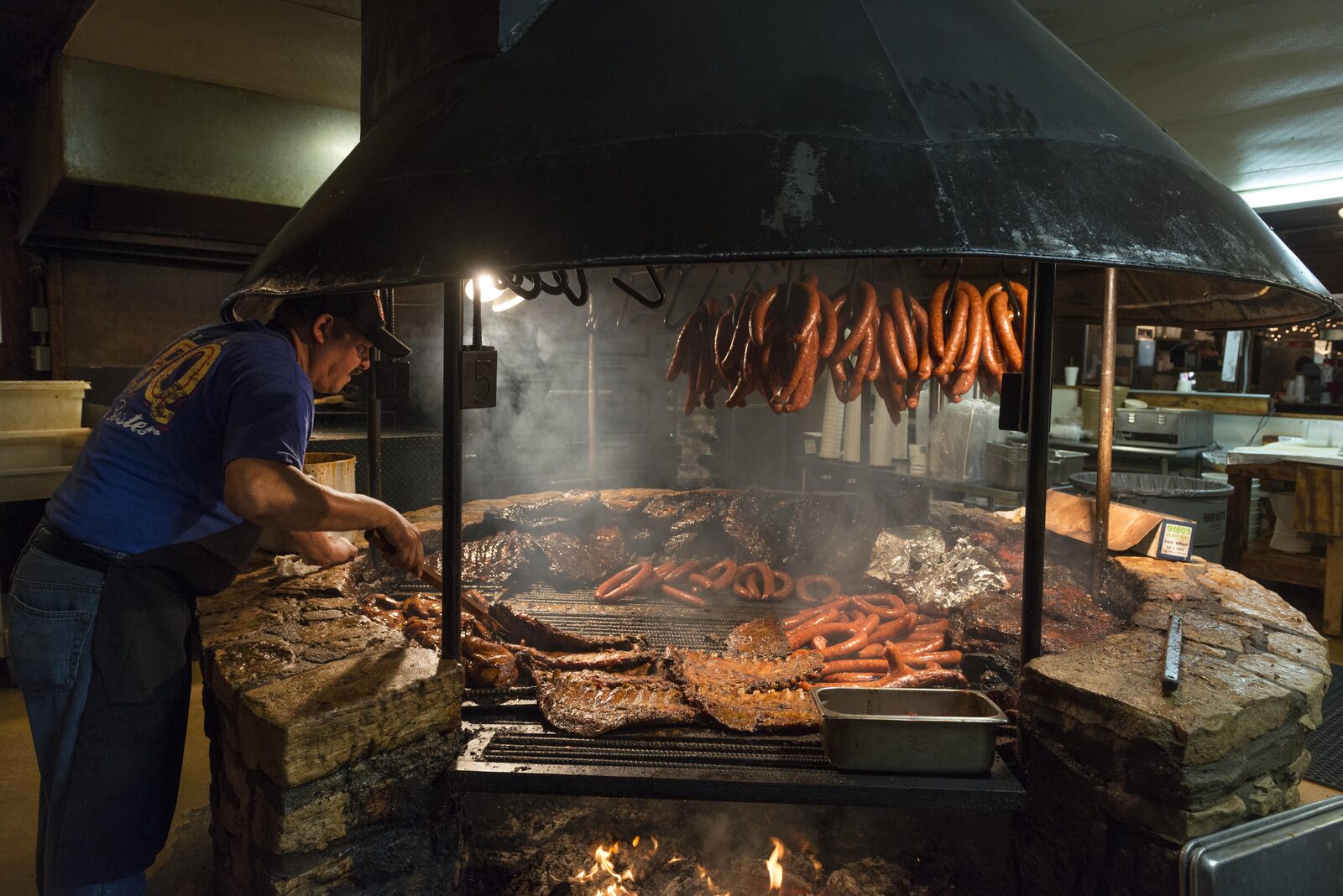
Texas barbecue grew from German and Czech meat markets, Black East Texas pits, South Texas barbacoa and West Texas mesquite coals before brisket took over in the 1960s.
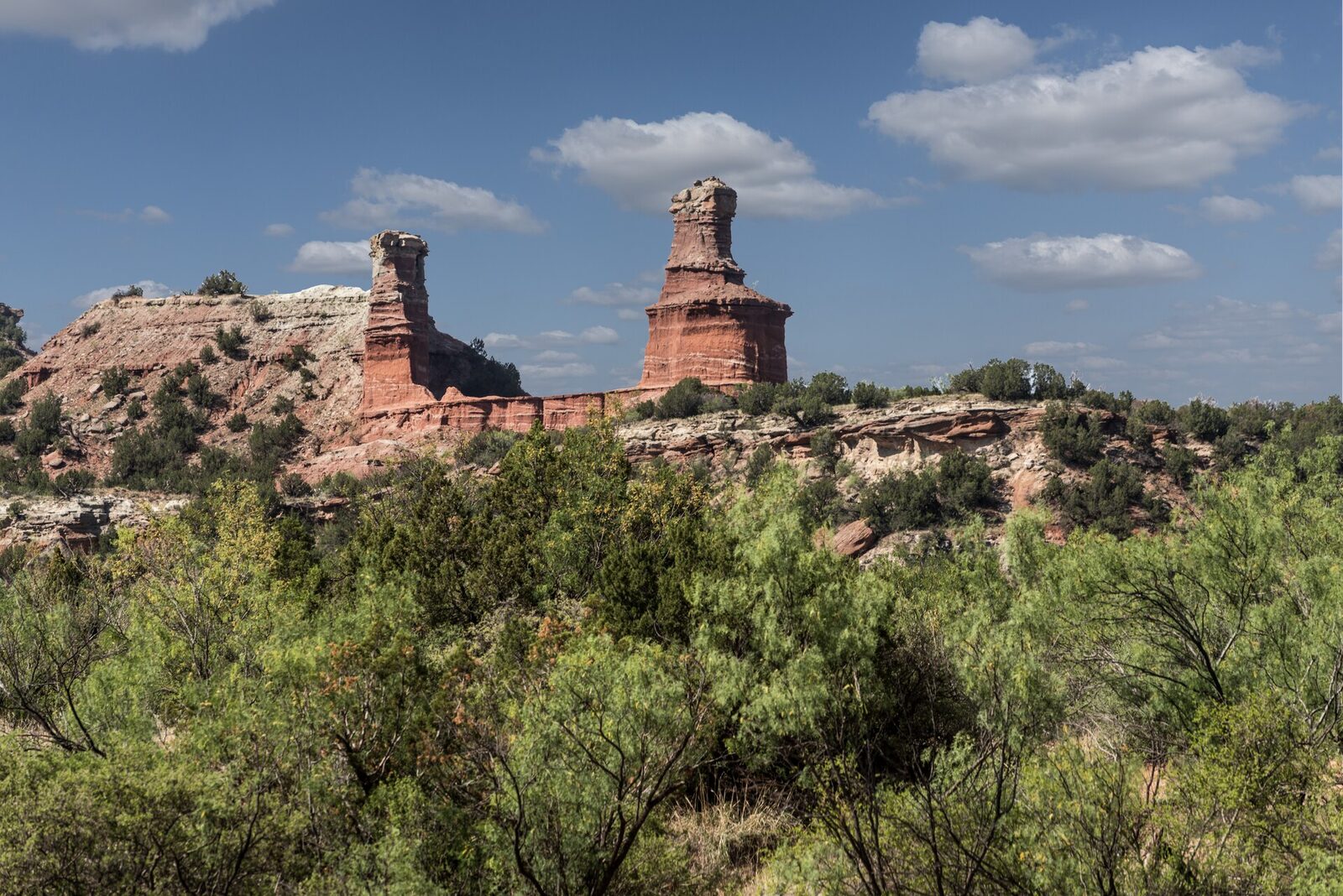
At the busiest Texas state parks, a weekend visit now depends on a reservation made days or weeks before anyone reaches the gate.
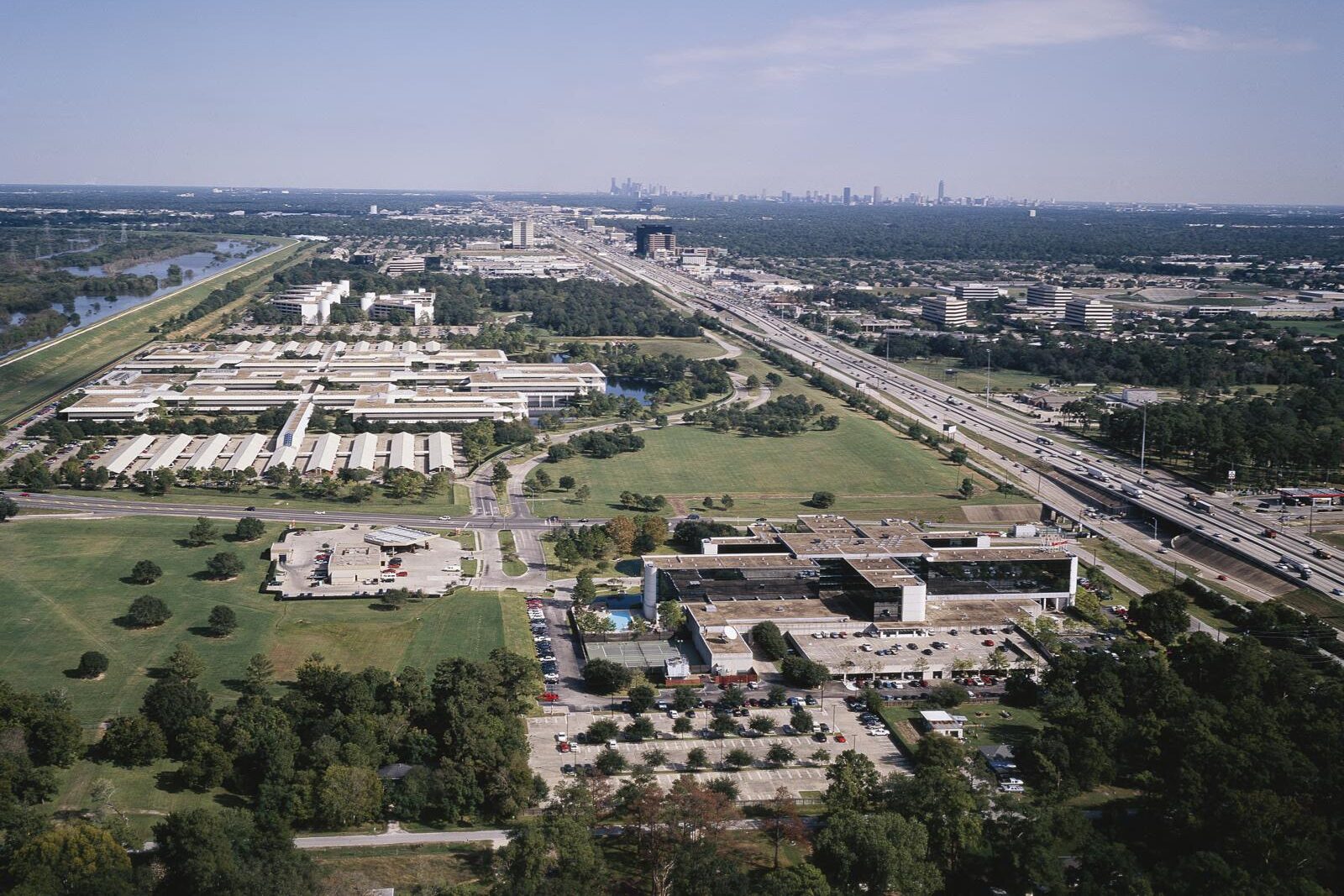
Find the 17 current testing counties, the vehicle exemptions, and Bexar County's scheduled November 1, 2026 start date.
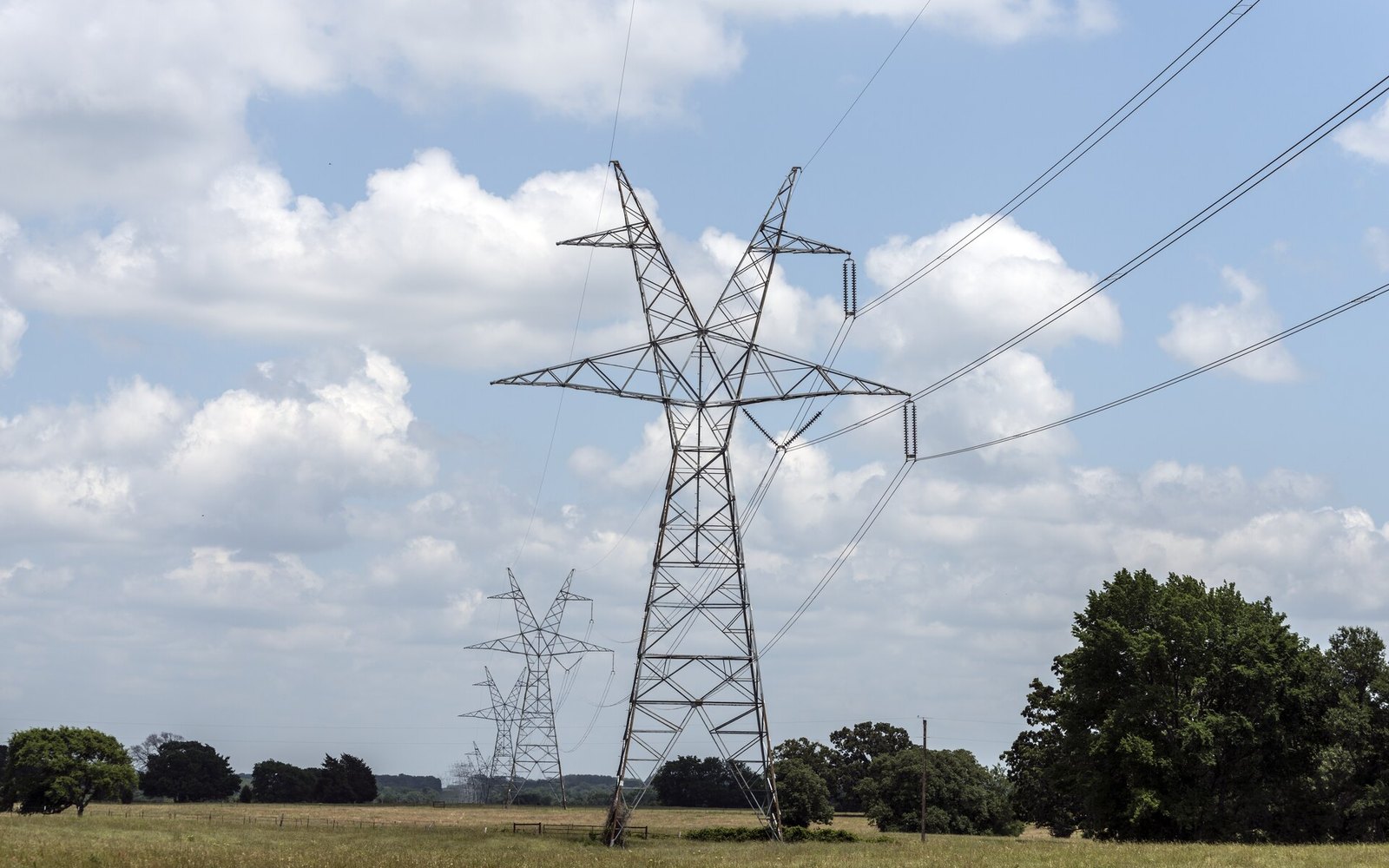
Because Texas runs its own grid, one decision shapes who regulates it, how generators get paid and what happens when demand outruns supply.
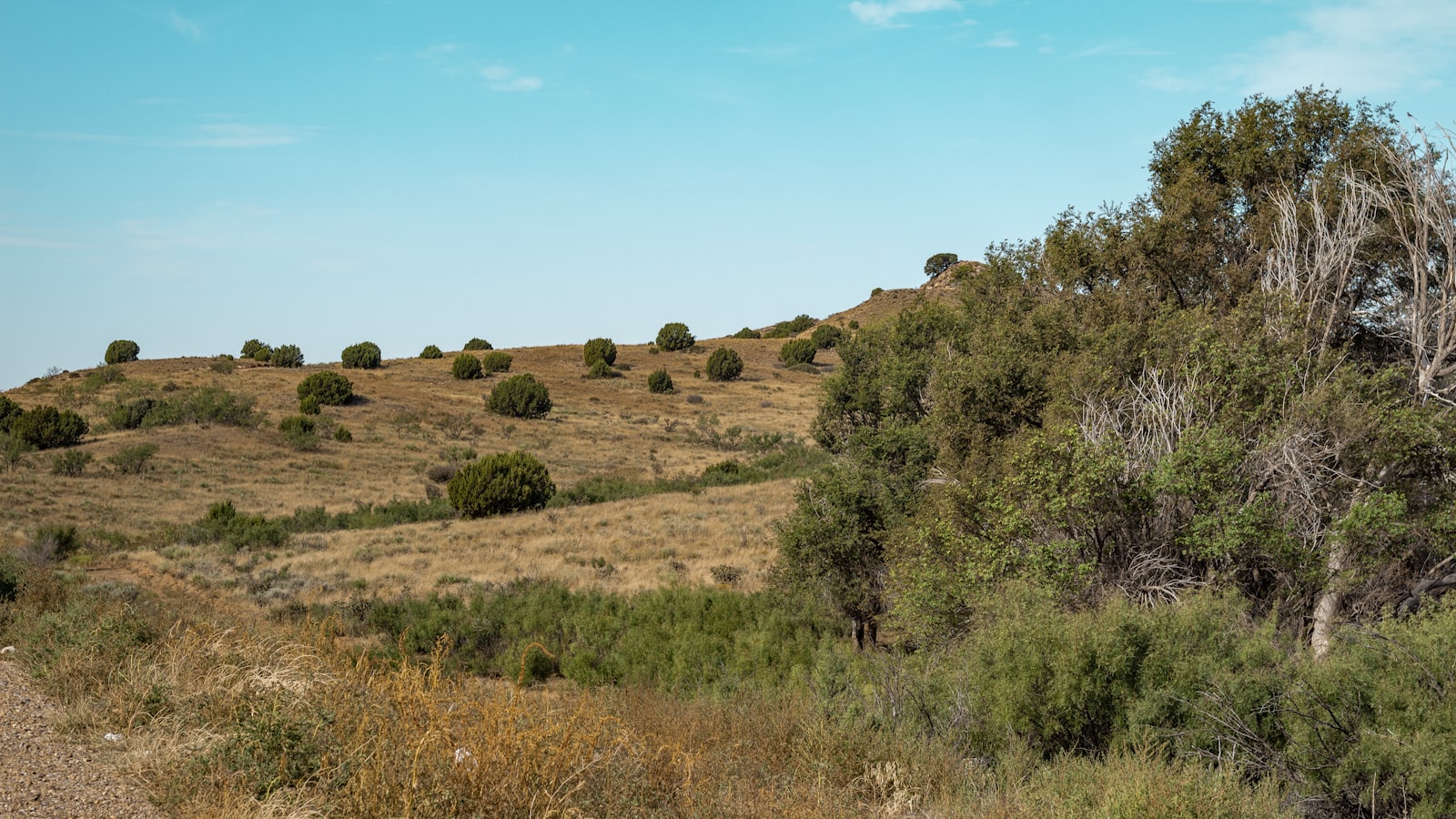
Texas plans against the driest stretch on record. Resilience means closing the gap between that benchmark and a state headed toward 51 million people.
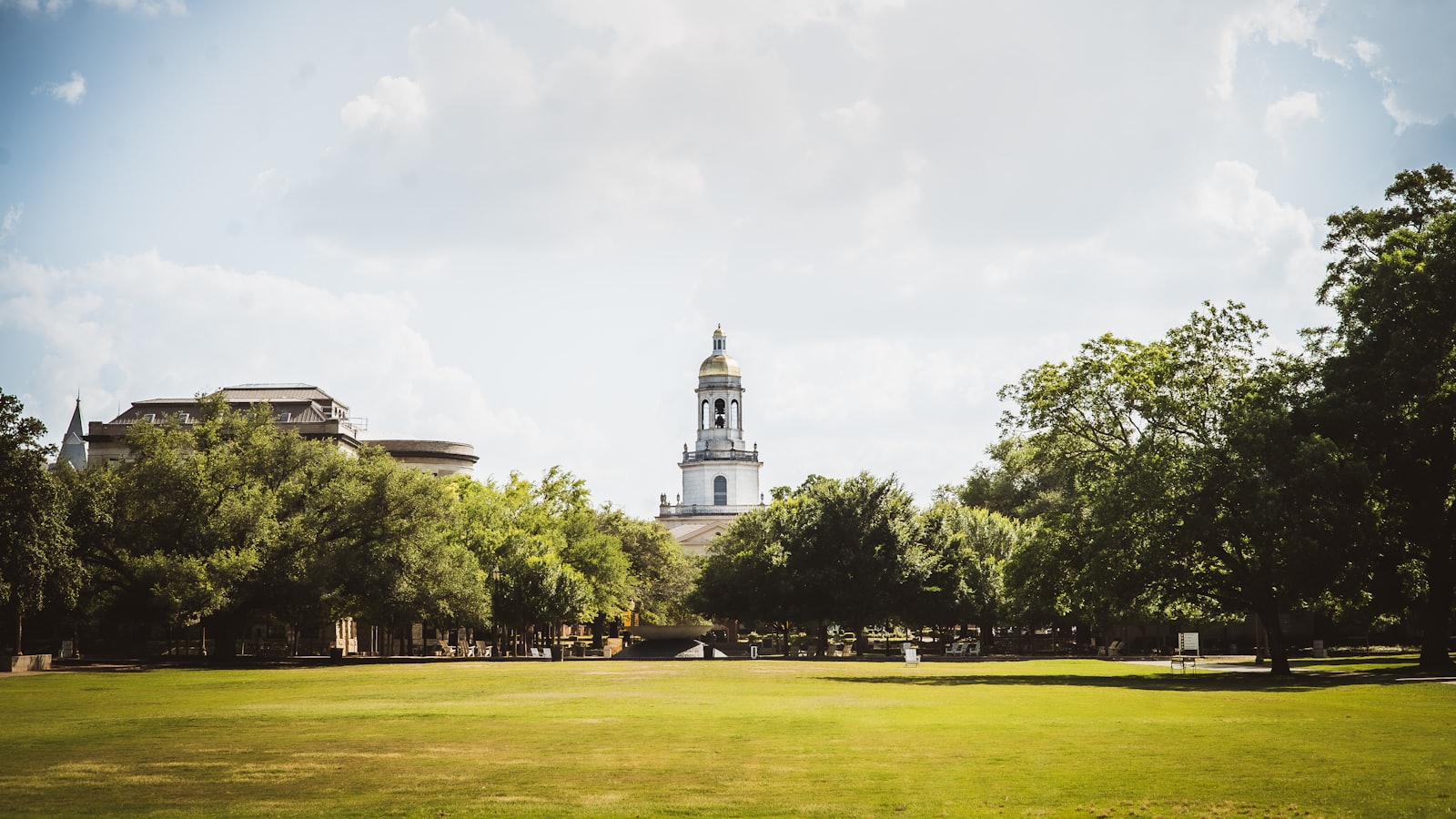
Meeting the state's 2030 credential target runs through community colleges, universities and the workforce boards that link them to open jobs.
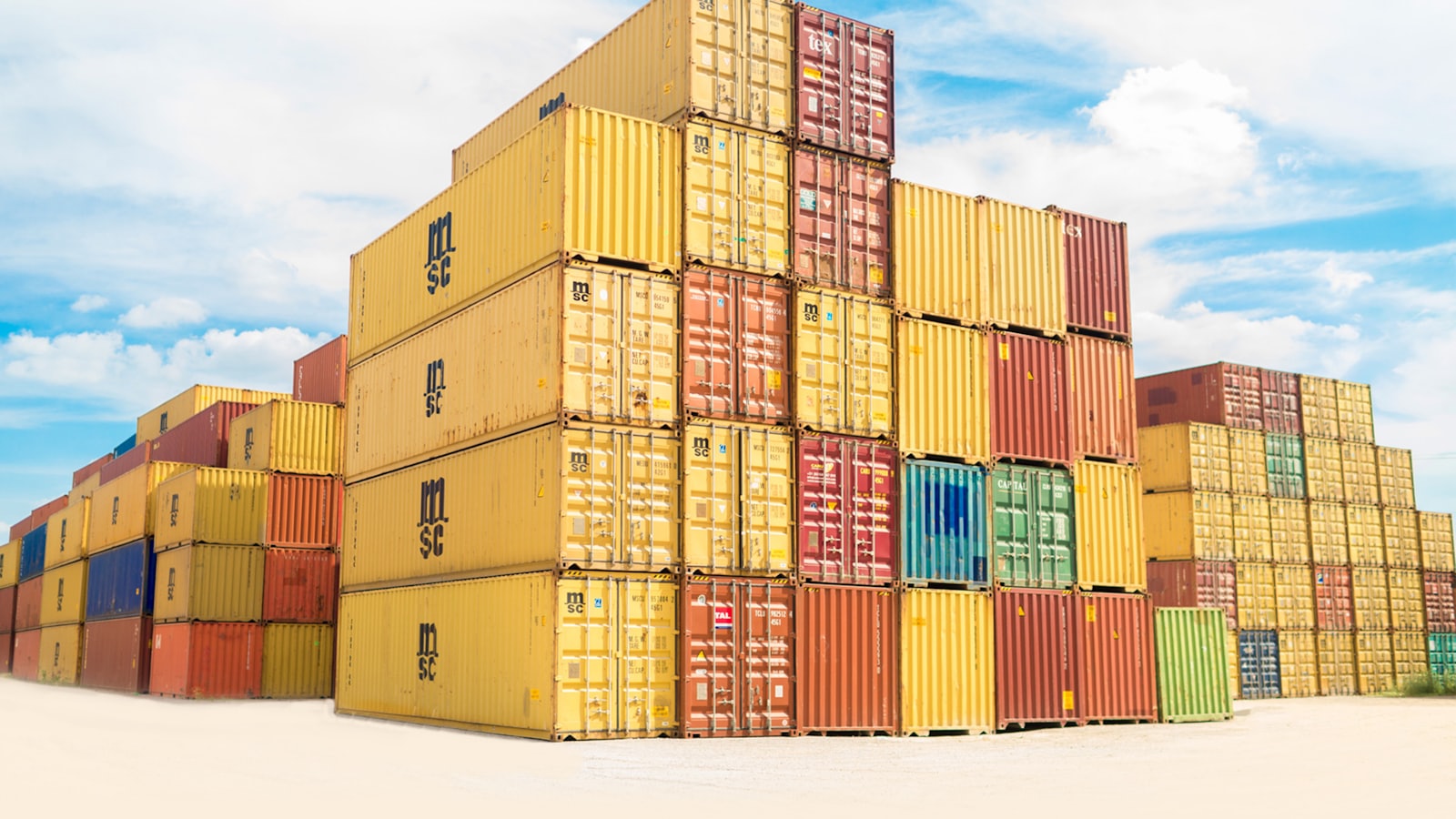
The tonnage crossing at Laredo is also a payroll: drivers, dock crews and dispatchers whose work rises and falls with trade.
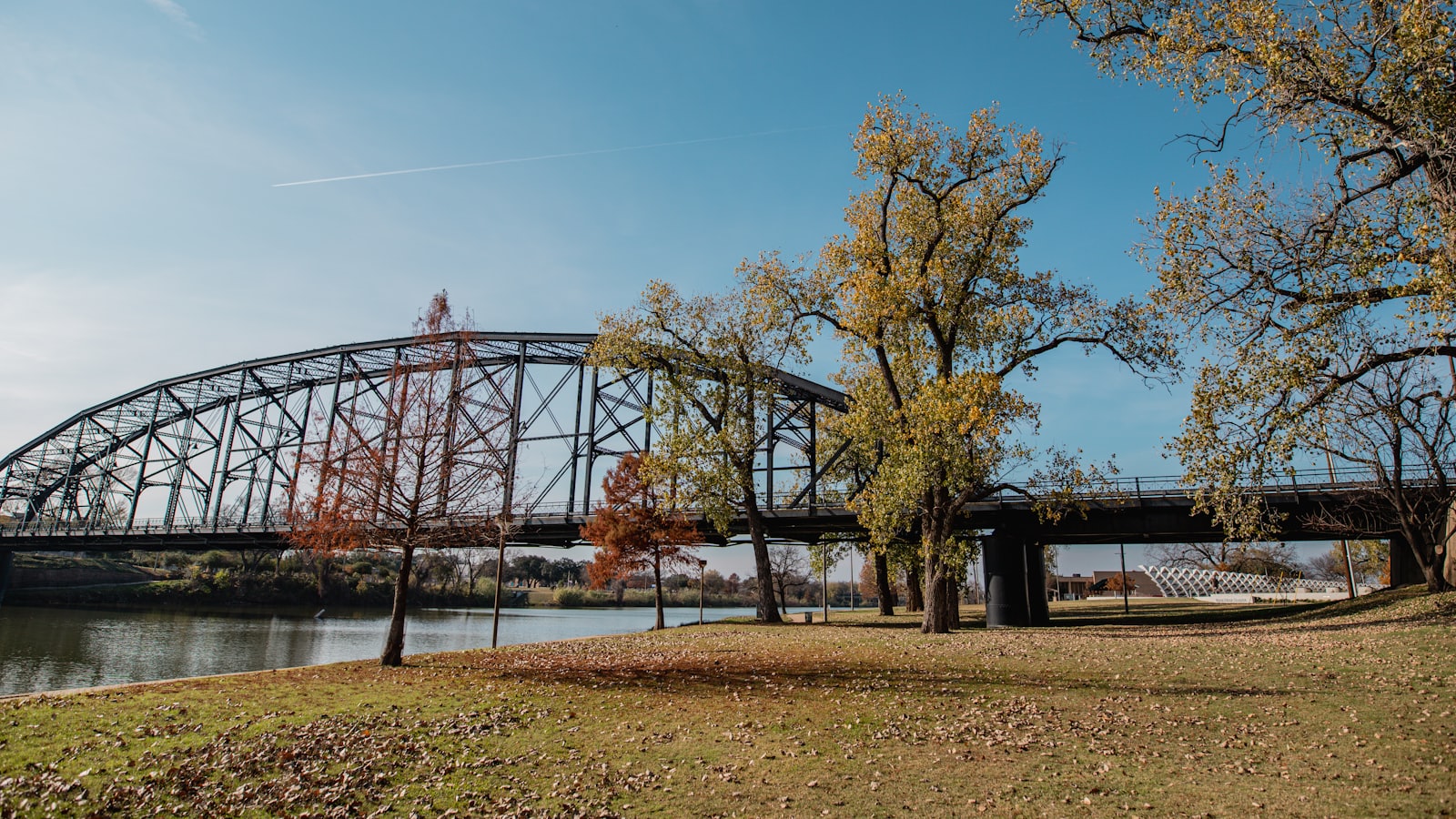
Texas keeps the largest bridge inventory in the country, yet federal inspection data puts its poor-condition share near the lowest in the nation.
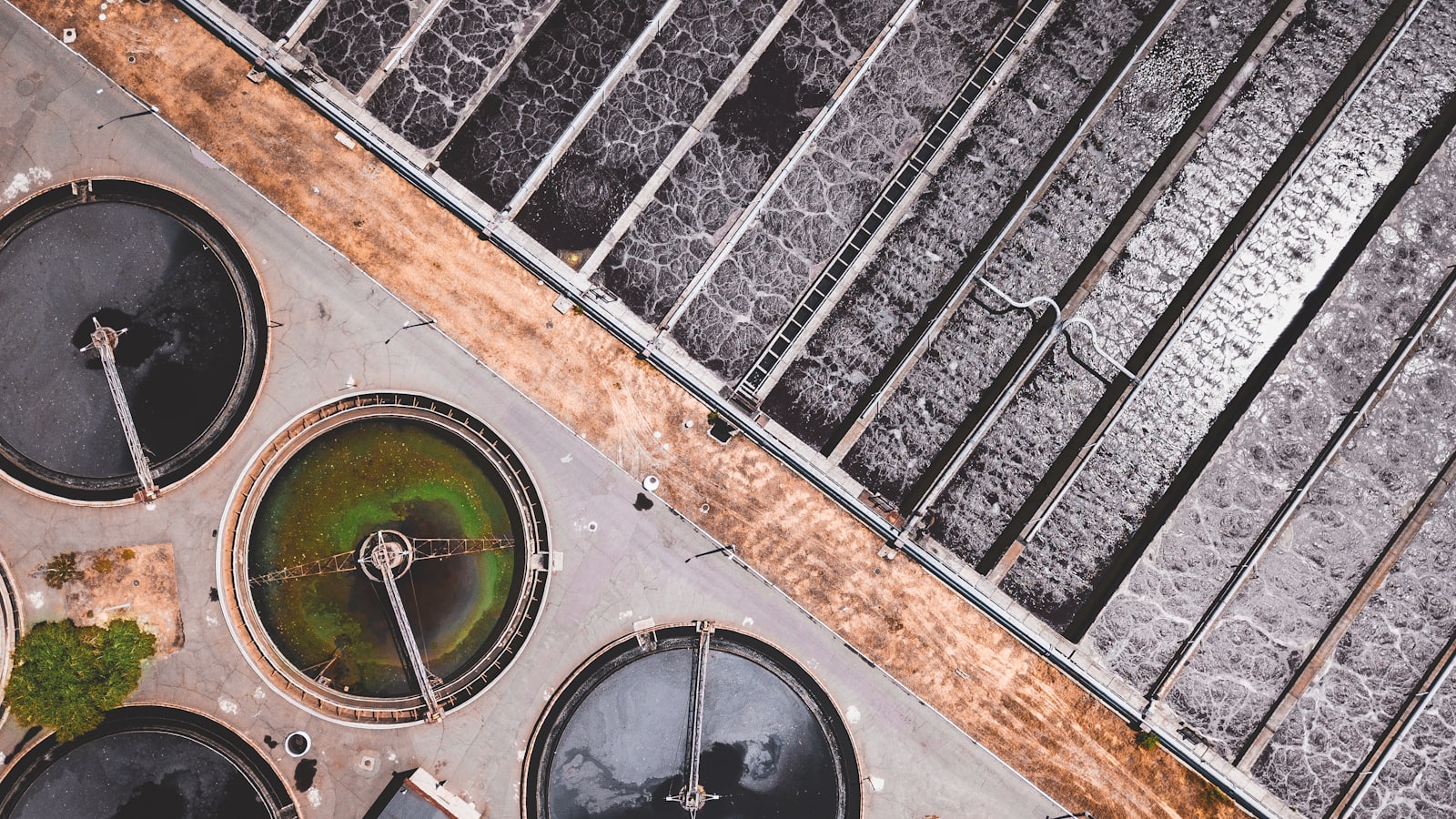
How far apart could water supply and demand drift by 2070? The state water plan puts a number on a fast-growing state's shrinking water base.
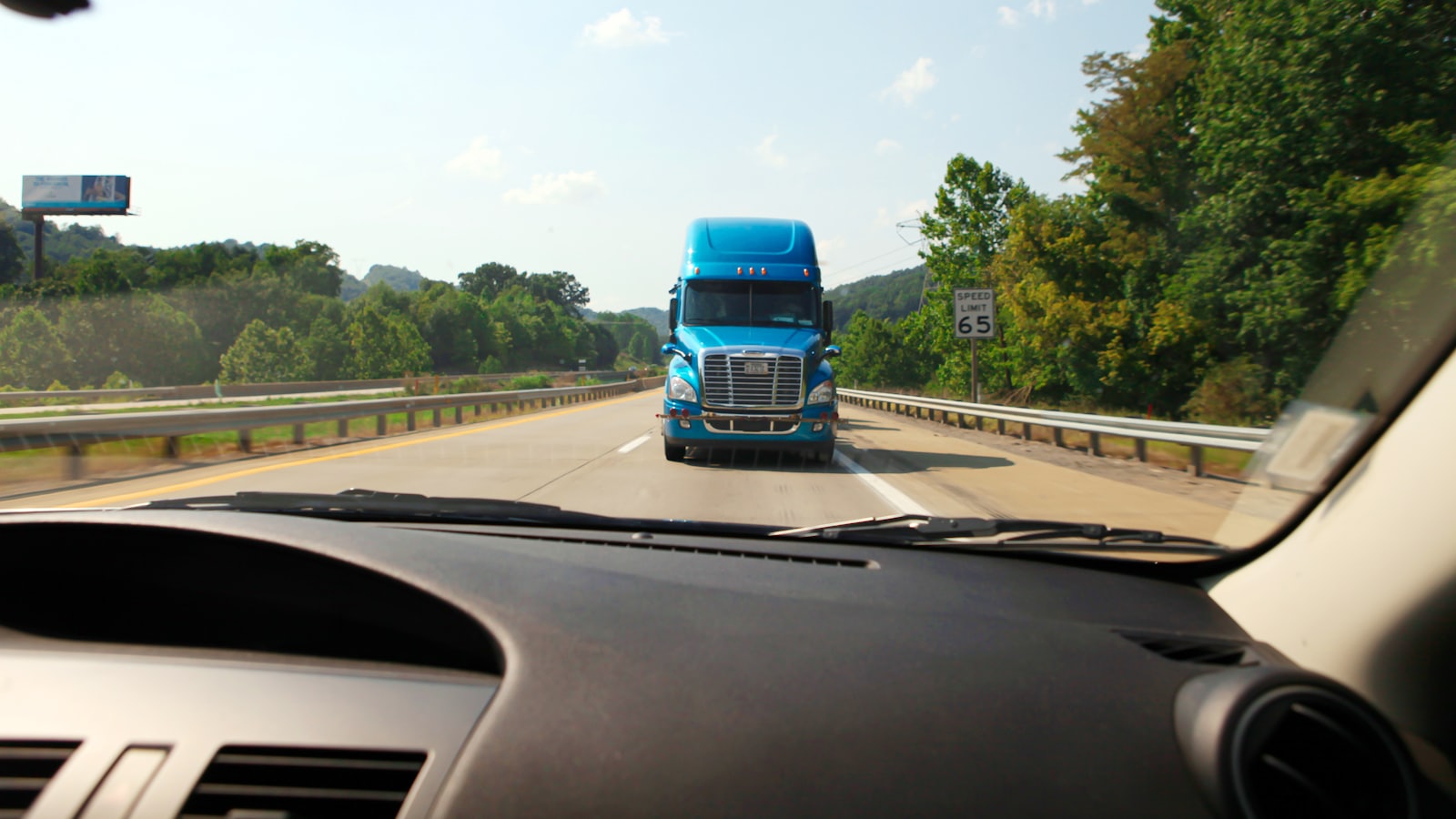
A loaded truck can outweigh the car beside it many times over. A joint federal and state safety system exists to keep that mismatch from turning fatal.
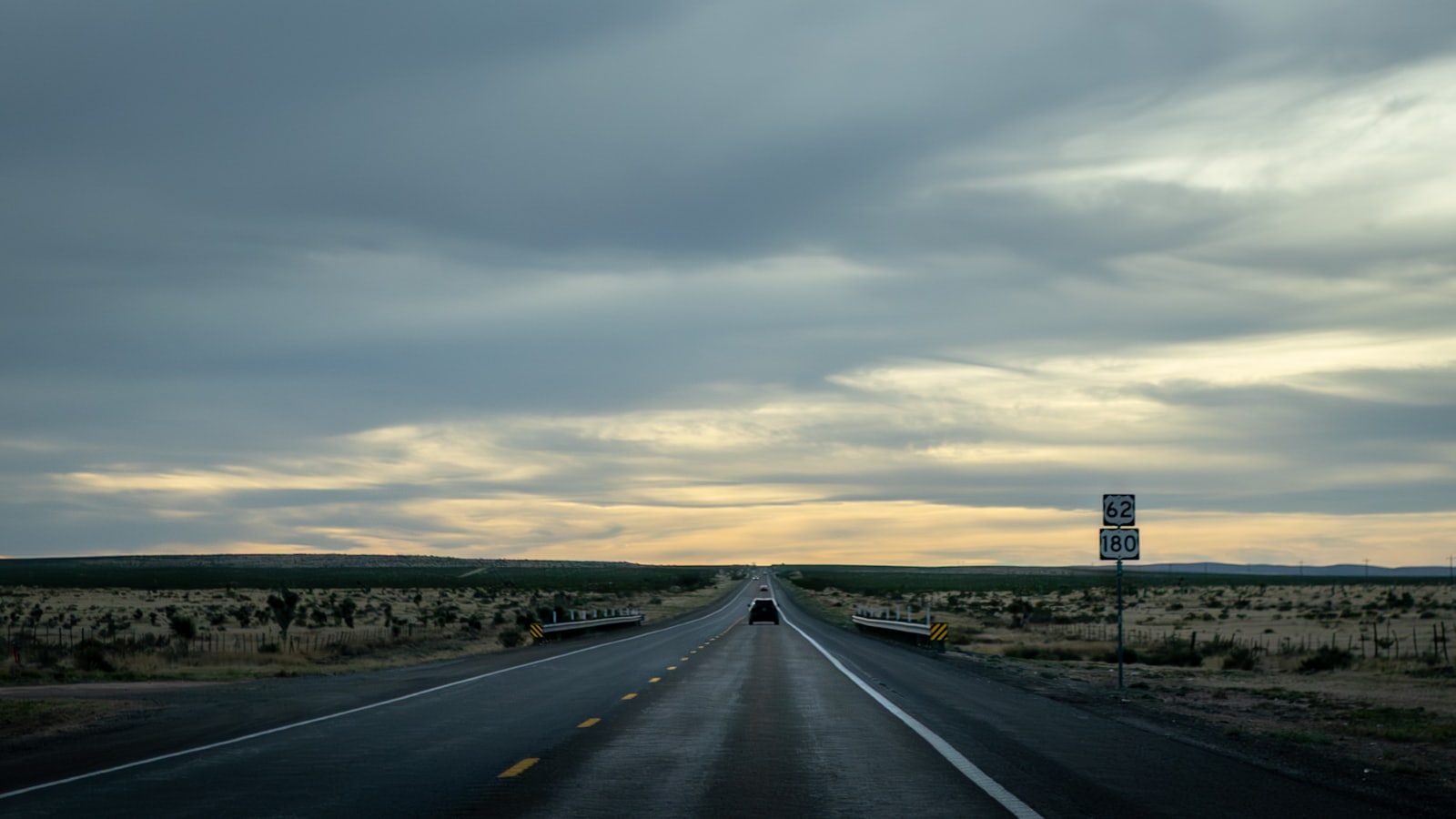
Not one day on Texas roads has passed without a death since 2000. The crash record shows the deadliest miles are rarely the busiest ones.
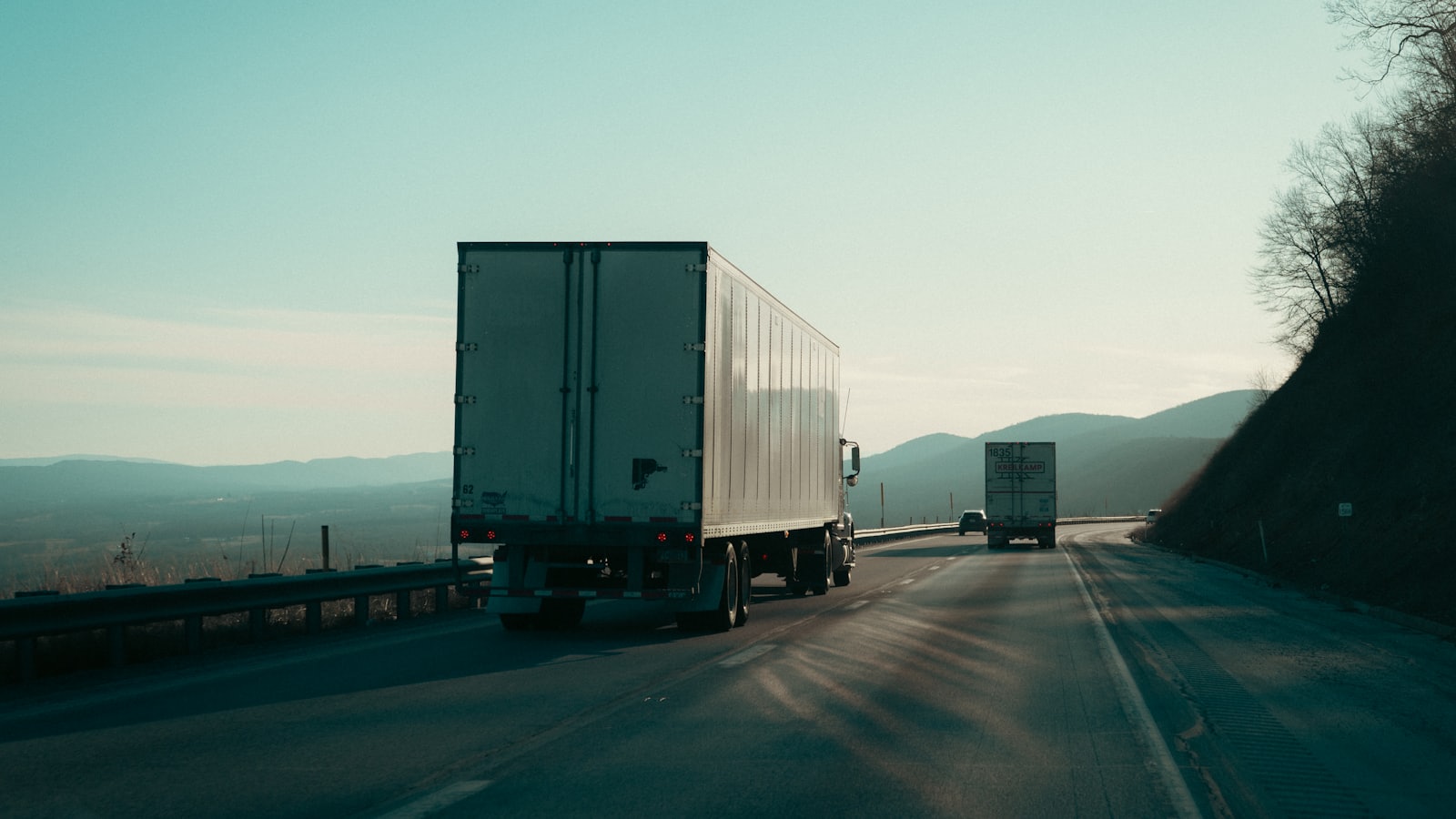
Most of what Texans buy, build, and export spends part of its journey on a truck, which makes the freight network quiet infrastructure the whole economy leans on.
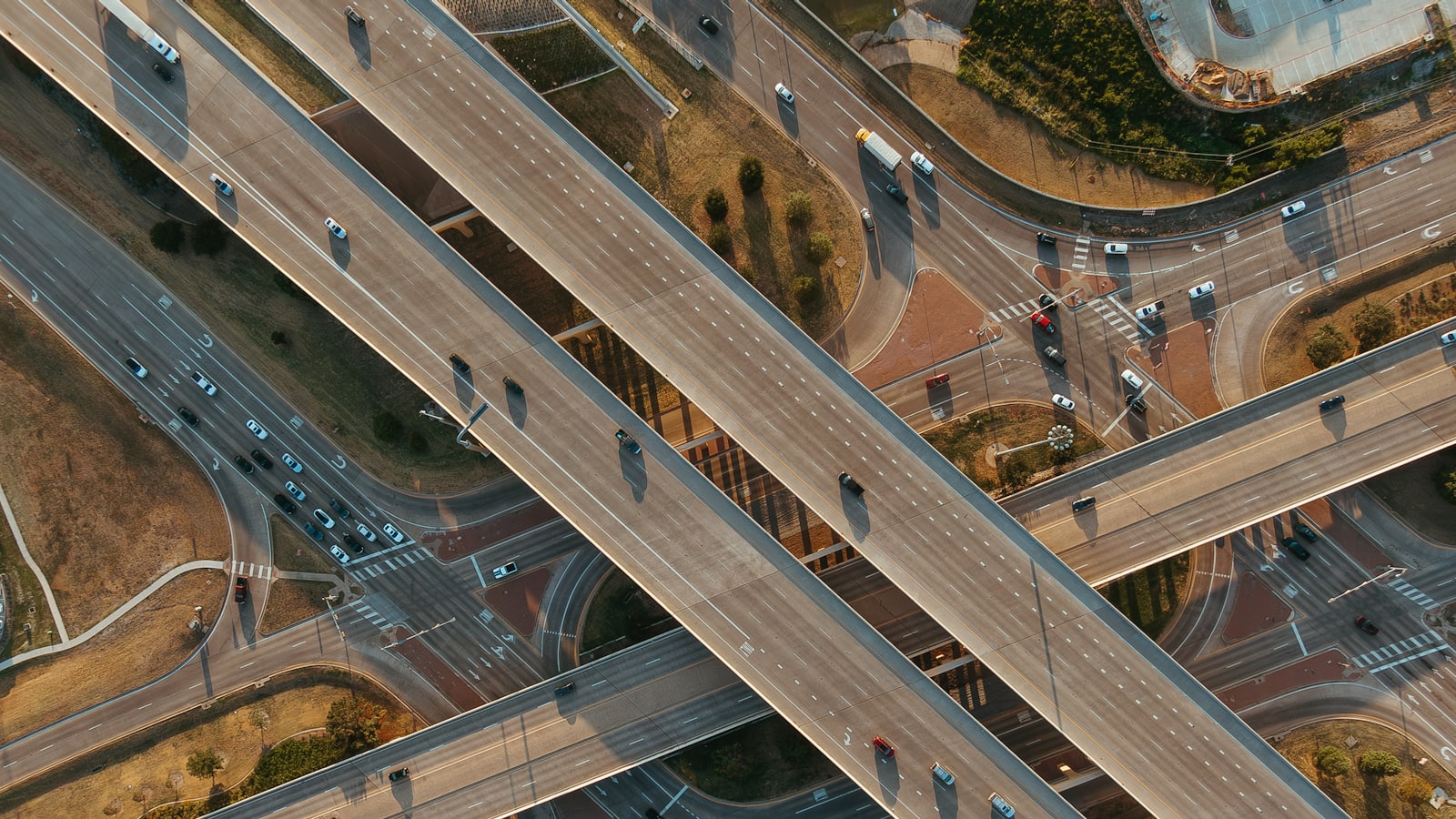
One interstate ties San Antonio, Austin and Dallas-Fort Worth into a single congested spine that the state is spending billions to rebuild.
The Texas Comptroller splits the state into twelve economic regions. The border, the Panhandle and the metro triangle answer the same pressures in very different ways.
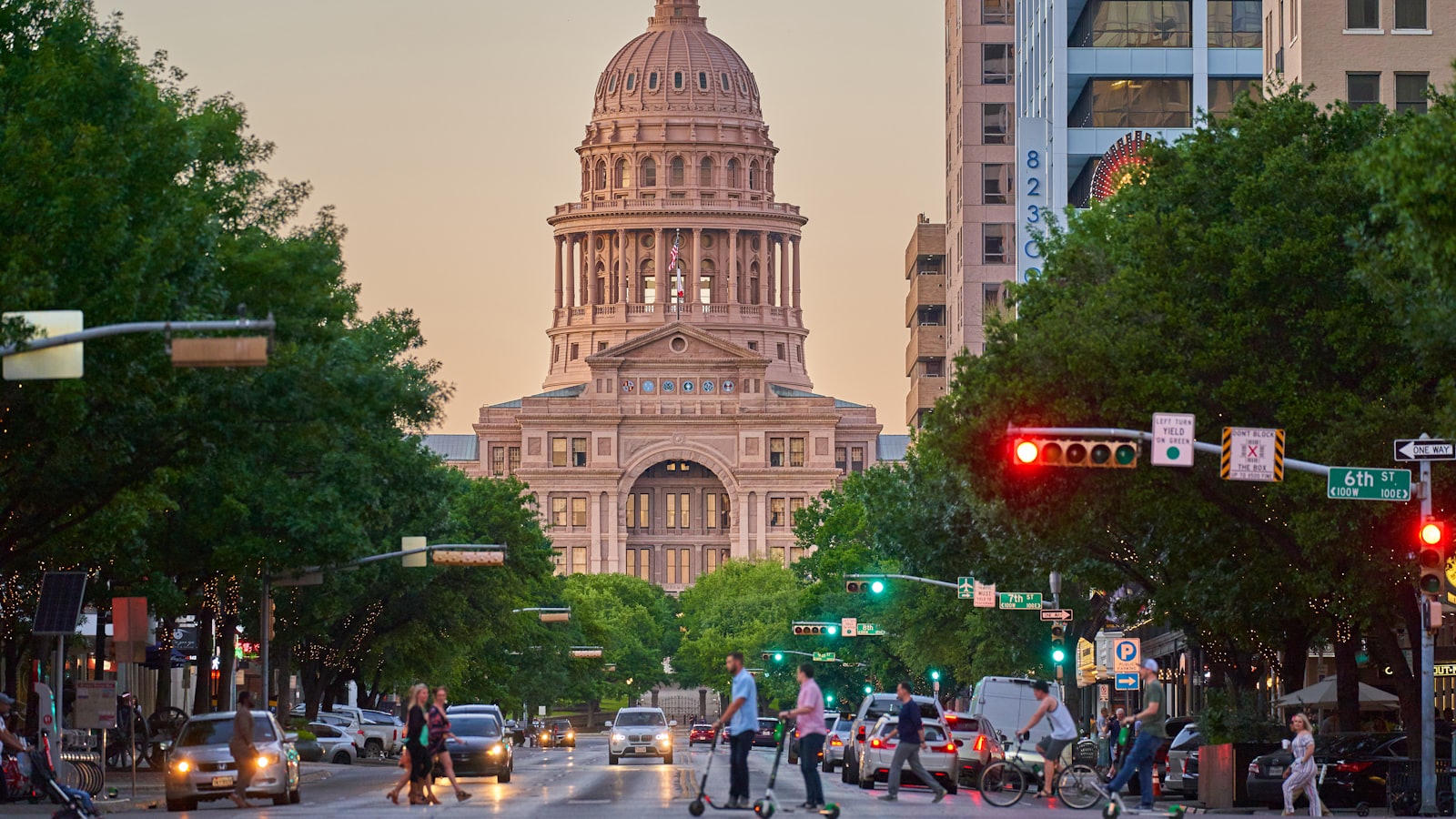
Texas passed 31 million residents and again added more people than any other state, while the mix of who lives here keeps shifting.
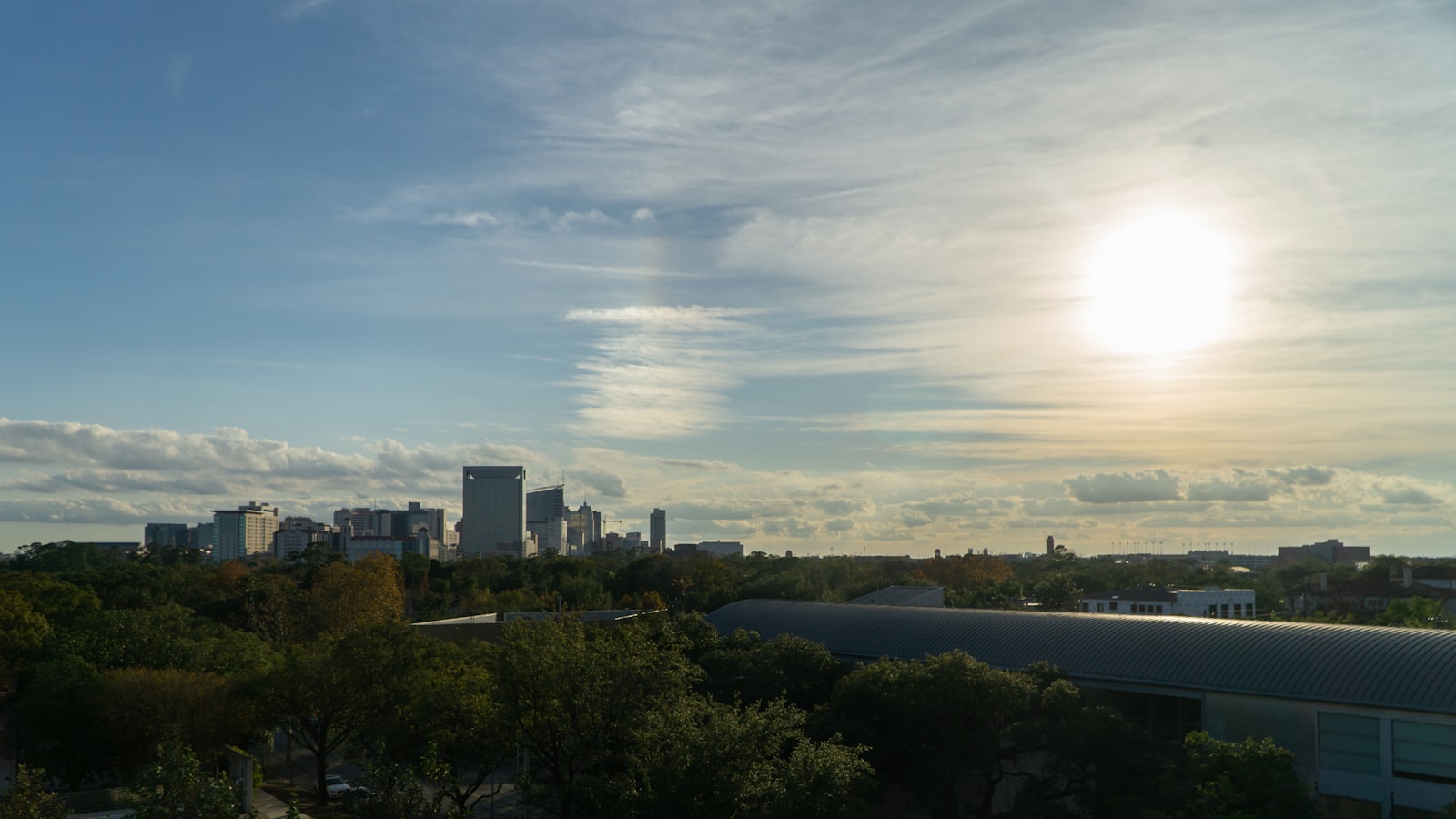
A record statewide output figure can sit beside a family that feels no richer. The gap between the two is where community economics lives.
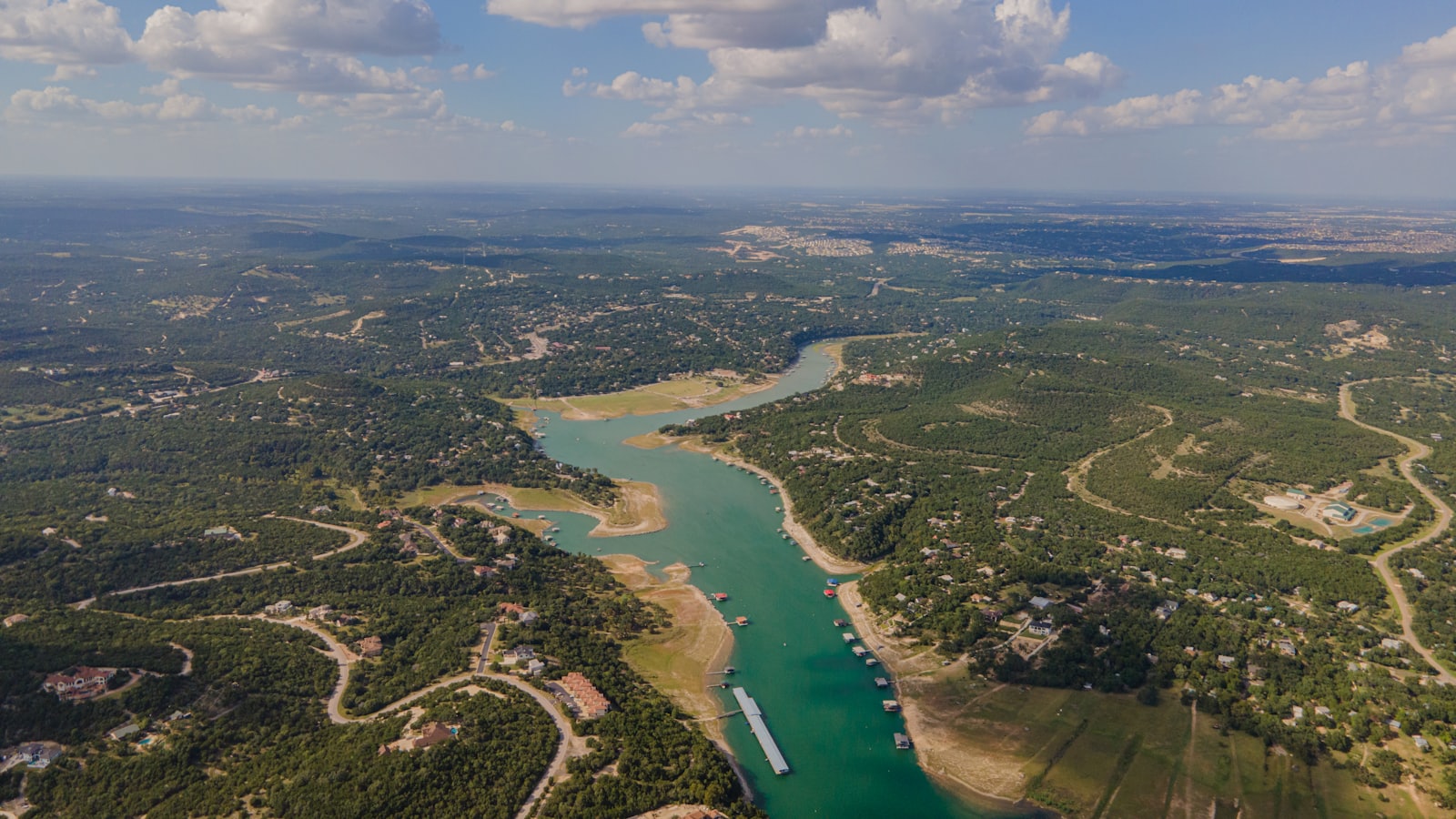
The air a neighborhood breathes, the water it drinks, and the heat and floodwater it must live with are all planning decisions long before they are health outcomes.
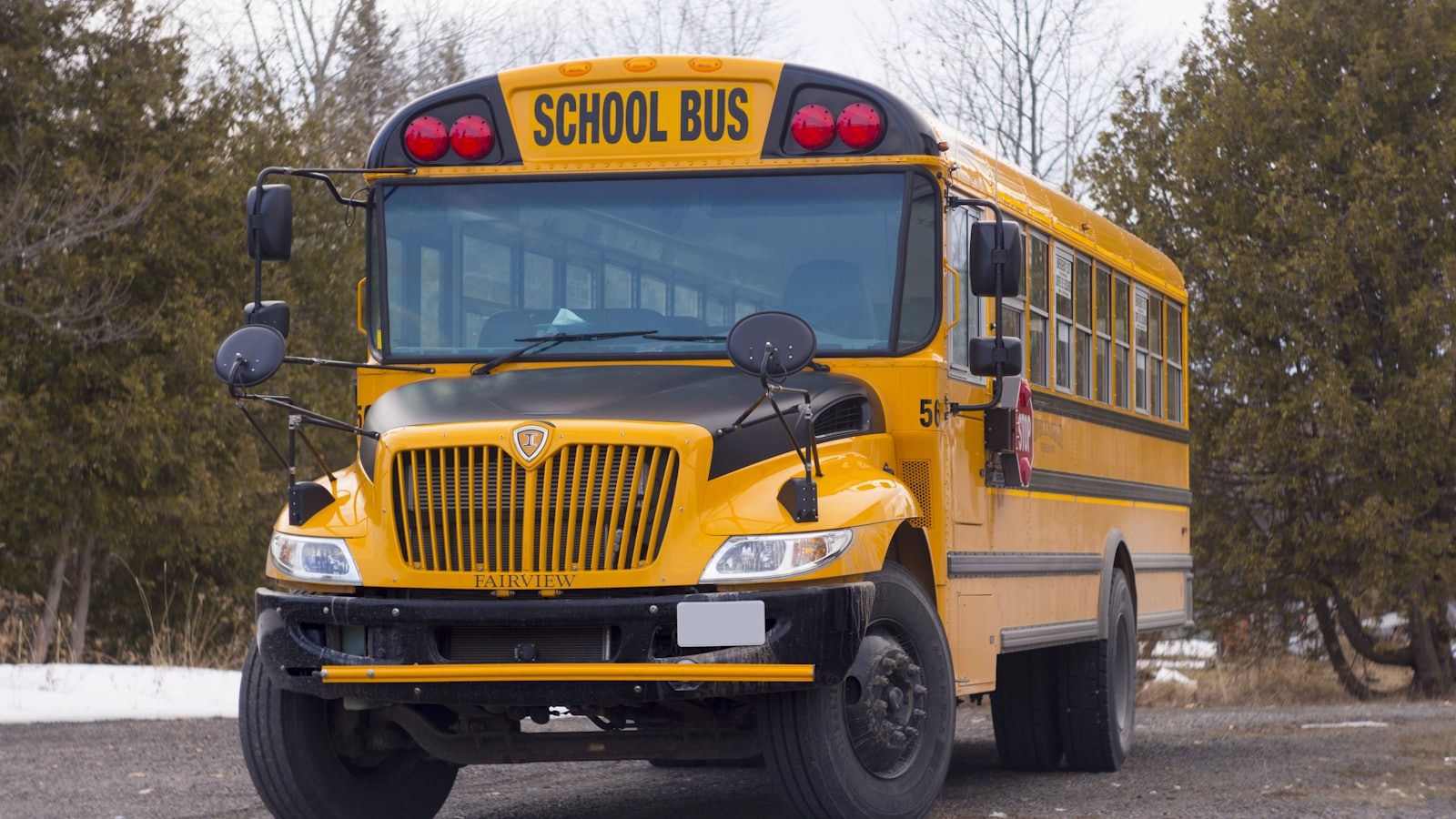
Early access, steady funding and how far a diploma carries a young Texan decide whether schools and communities rise together.
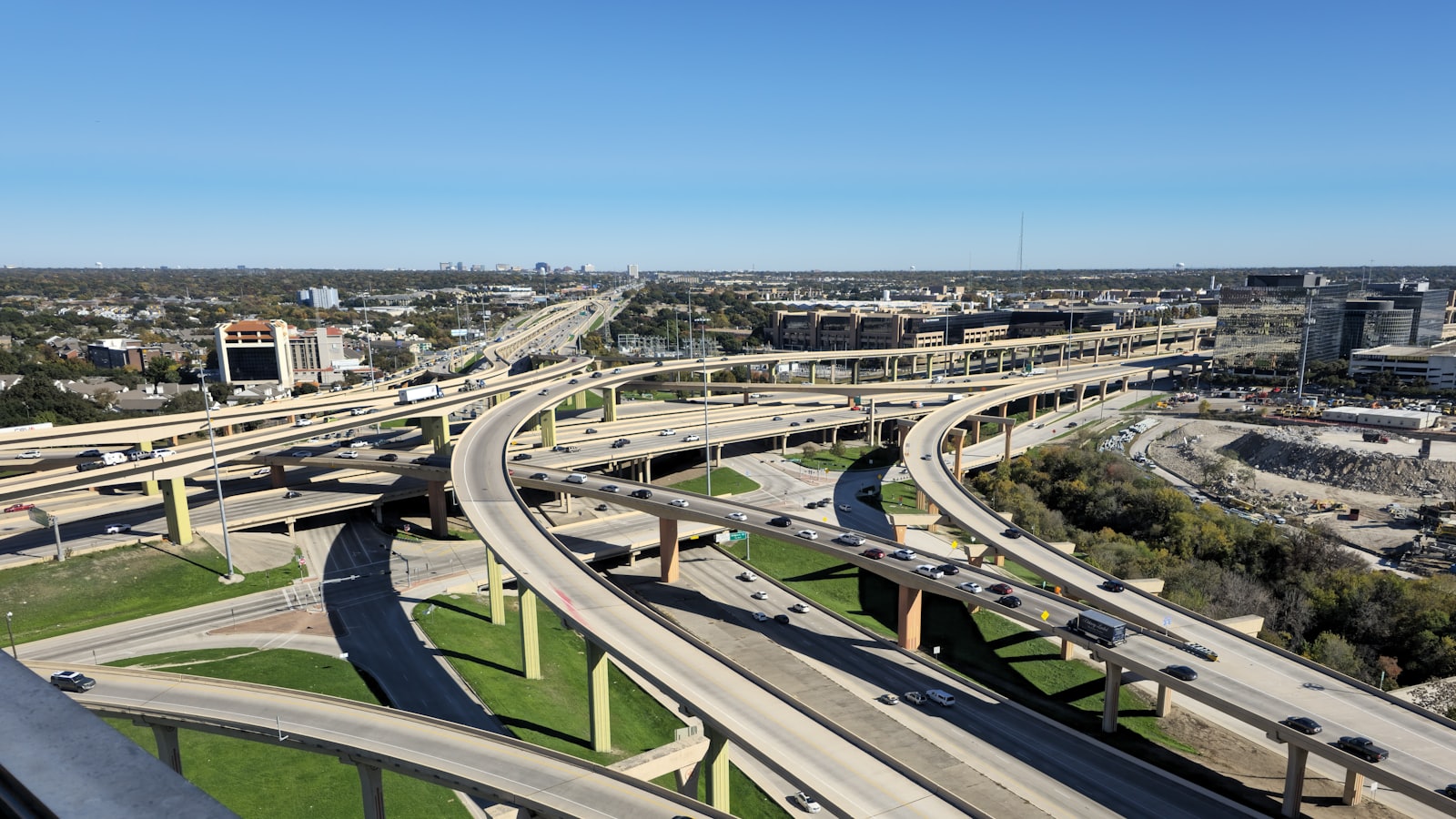
Where you live in Texas decides how far you drive, how long it takes, and how easily you reach a job, a clinic, or a school.

In much of rural Texas the nearest hospital sits a county or two away, with closures and provider shortages widening the gap.
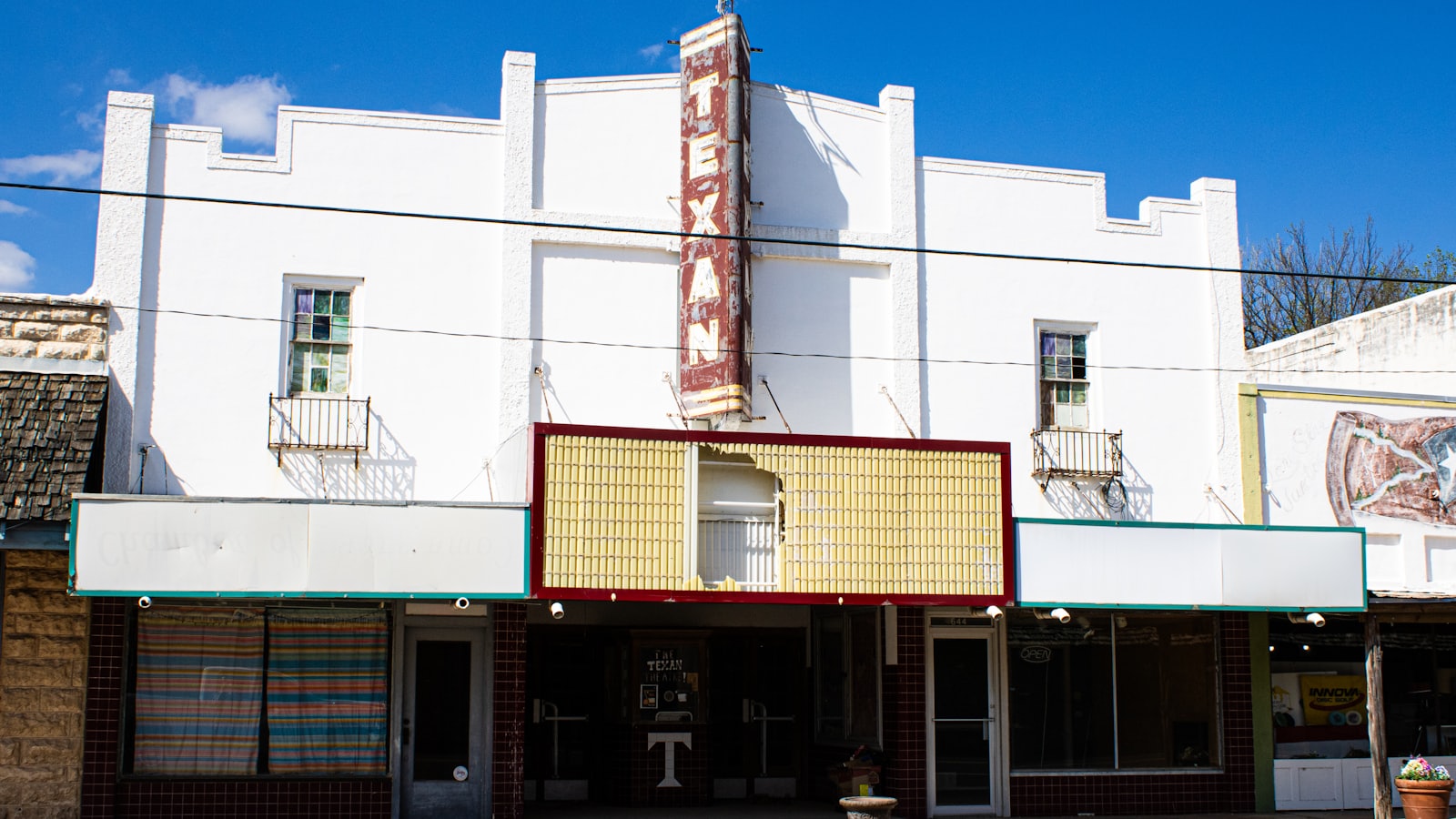
Record growth in the metros and steady losses in the countryside now pull on the same water, schools and state budget.
New to Voices of Texas? Meet the four writers behind it and see how stories get sourced.