A child's asthma, a boil-water notice, a heat warning that keeps an outdoor crew home for the afternoon: each reads as a health event, but each was set in motion years earlier by a decision about where a road went, how a permit was written, or which monitor got funded. Environmental planning in Texas is the quiet machinery underneath community health, and it works best when nobody notices it at all.
The air a region breathes is a regulatory choice
Texas measures its air through one of the larger monitoring networks in the country. The Texas Commission on Environmental Quality runs more than 200 stations covering upward of 25 million residents, concentrated where heavy industry sits next to dense population. Those readings are not just for the record. They decide whether a metro area meets the national ambient air quality standards, and that verdict carries real weight for the people who live there.
The federal side of the ledger is the U.S. Environmental Protection Agency's Green Book, which lists the areas that fall short of a standard as nonattainment. The Dallas and Fort Worth region and the Houston, Galveston, and Brazoria region have carried ozone nonattainment designations for years, which obligates them to control emissions in ways cleaner regions do not. The health logic is direct. Ground-level ozone inflames airways, and the people who feel it first are children with asthma, older adults, and anyone who works outside. A nonattainment label is, in effect, a public statement that the local air is doing measurable harm and that the plan to fix it is now legally required rather than optional.
Water safety is planning that has to hold every day
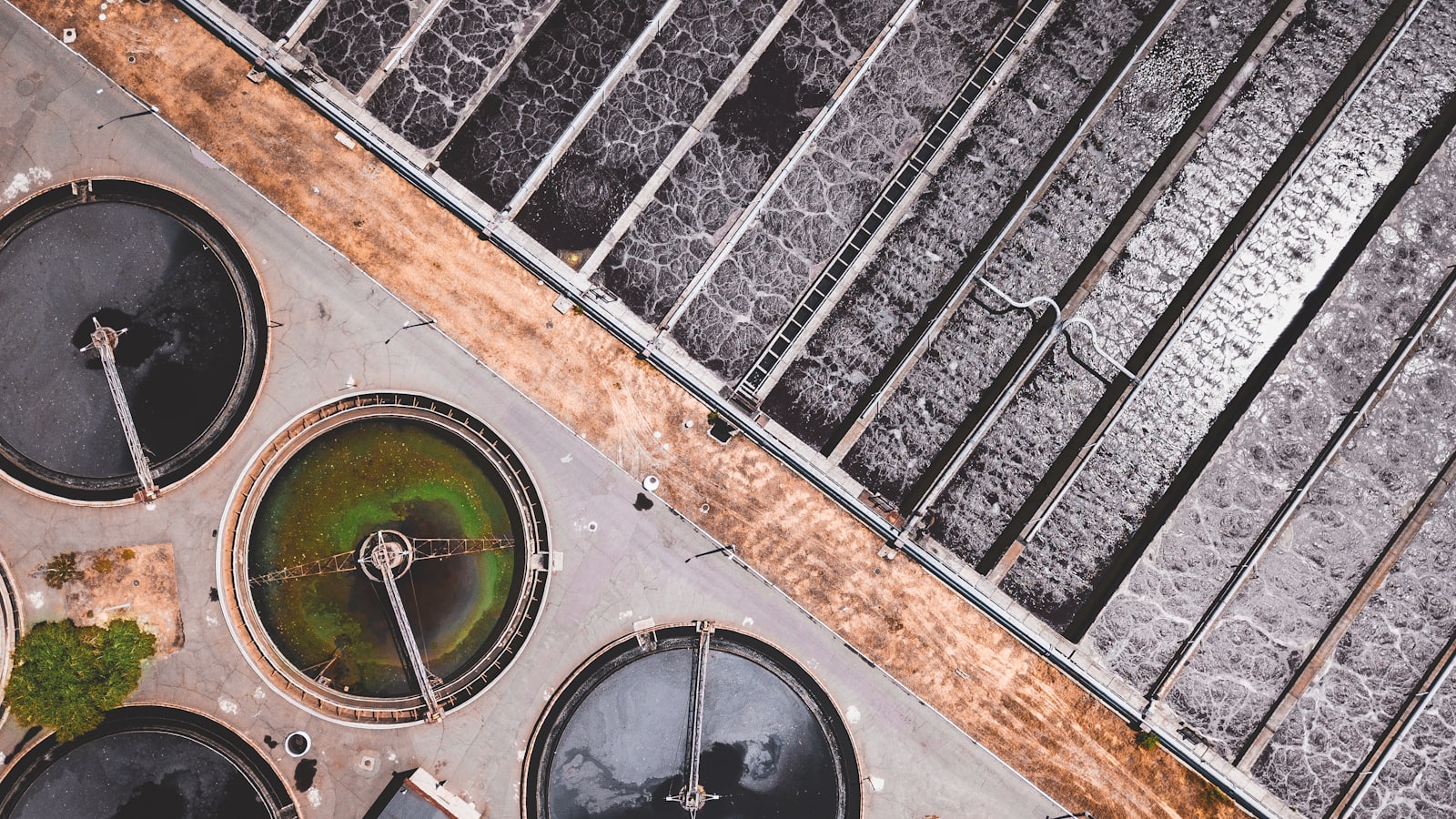
Clean water is the other half of the environmental health baseline, and in Texas it runs through TCEQ as well. The agency oversees thousands of community water systems, from big-city utilities down to tiny districts serving a few hundred homes, applying the federal Safe Drinking Water Act to each. When a system loses pressure or fails a sample, TCEQ is the body behind the boil-water notice, and the smallest systems are where thin budgets and worn equipment make those notices most common.
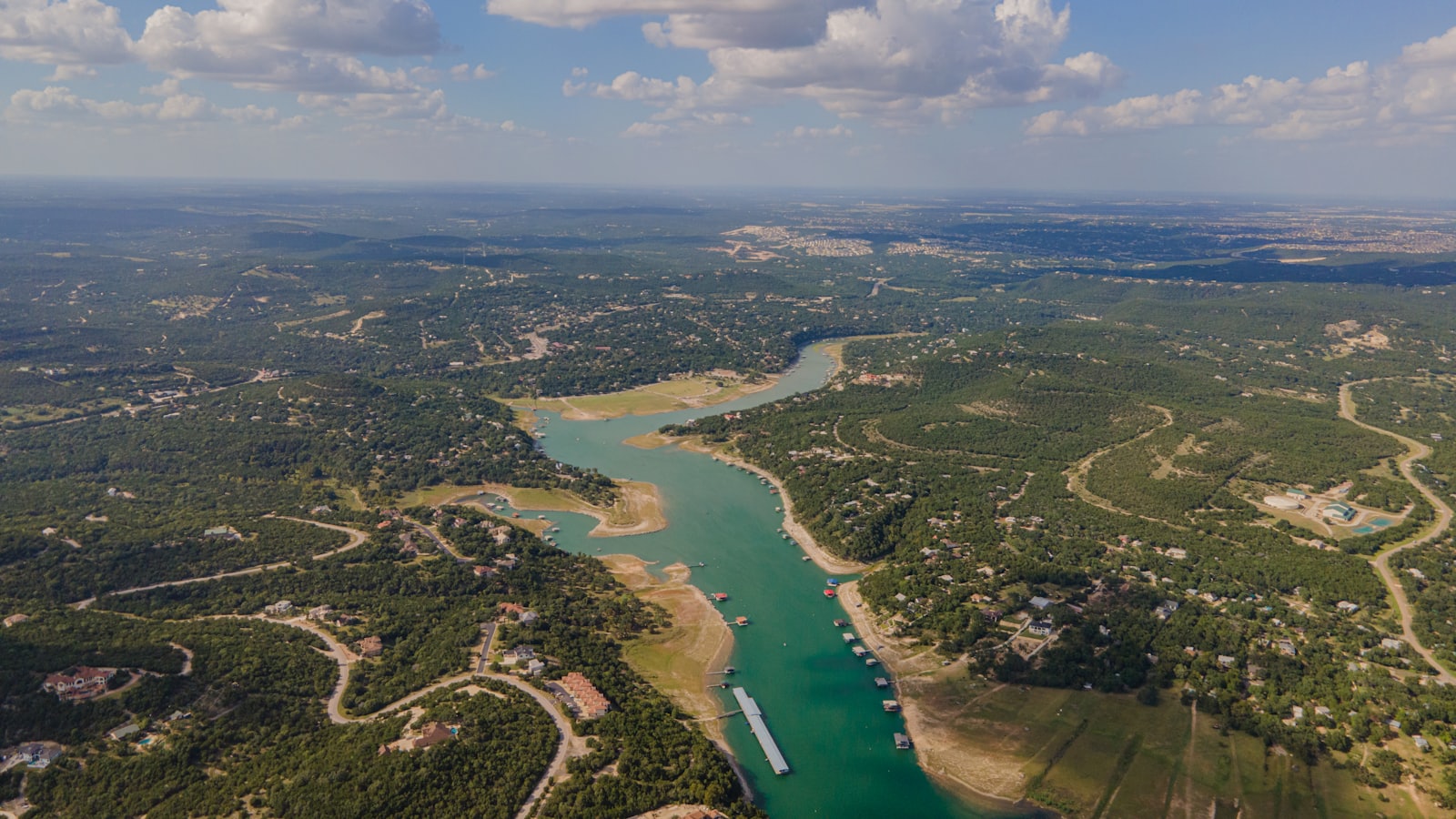
That daily reliability sits on top of a much larger supply question. Whether the raw water even exists to treat is the subject of the state's long-range planning and its wider approach to drought and resilience, while the pipes carrying it to the tap are aging in ways detailed in the state's water systems and utilities. Community health depends on all three holding at once: enough water, safe water, and a working line between the two.
Heat and flooding are land-use problems in disguise
Not every environmental hazard arrives through a regulated permit. Extreme heat is now the deadliest weather threat most Texas summers pose, and the Texas Department of State Health Services tracks heat-related illness because so much of the risk is preventable. Whether a neighborhood cooks or cools comes down to planning choices: tree canopy, the amount of dark pavement, the availability of cooling centers, and whether housing was built with power outages in mind. A block of shaded streets and a treeless expanse of asphalt can differ by several degrees on the same afternoon, and that spread lands hardest on households without reliable air conditioning.
Flooding follows the same pattern. Water goes where the land and the development send it. Paving over a floodplain does not remove the water; it moves the problem downstream to whoever built lower. The health toll shows up afterward in mold, displacement, and contaminated wells, which is why floodplain rules and drainage design are public health tools even though they look like engineering.
The hazards that hide inside buildings
Some of the oldest environmental health work has nothing to do with weather. Through its Environmental Hazards Programs, DSHS runs the state's lead program, its public health sanitation work, and asbestos oversight, each aimed at exposures inside homes, schools, and workplaces. Lead in particular is a planning story stretched across decades. It concentrates in older housing stock and near legacy industrial sites, so the map of childhood lead risk tends to trace the map of where a city built, and paved, and left things behind.
Why the health case for planning is a rural case too
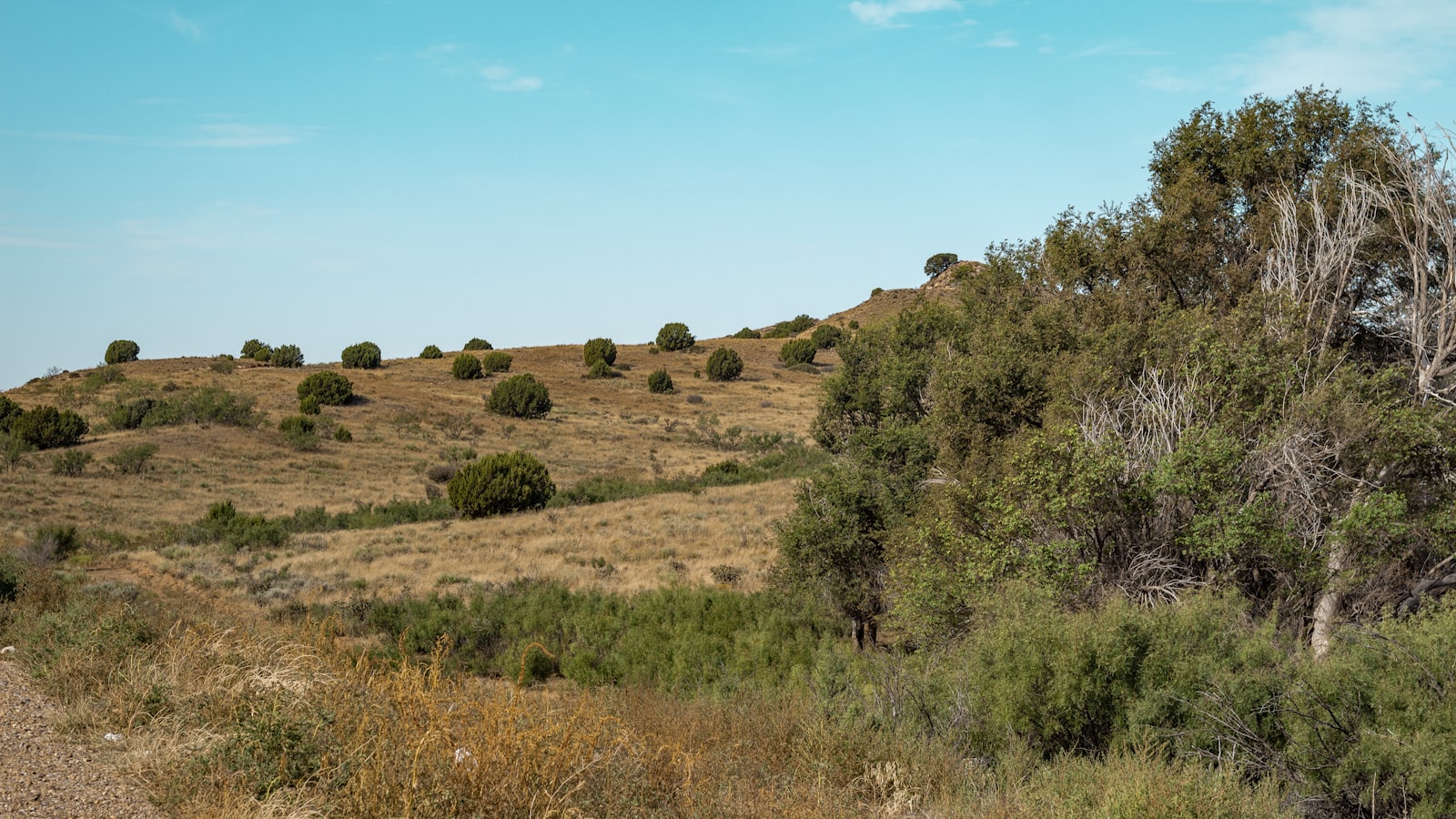
It is tempting to read all of this as a big-city concern, since the monitors and the nonattainment lines cluster around the metros. The rural side of the ledger is quieter but not smaller. A small town on a strained aquifer, a colonia without full sanitation service, or a county a long drive from the nearest hospital all face environmental health risks with fewer buffers, and the distance problem compounds them in the way the state's rural healthcare access makes plain. When the closest clinic is in the next county, a heat wave or a contaminated well is not just a health event but a logistics one.
The through-line across every one of these cases is that environmental health is rarely fixed at the moment someone gets sick. It is fixed, or lost, at the planning stage: where the monitor goes, how the permit is written, whether the floodplain is left alone, and how much shade a street keeps. Texas has the agencies and the data to see the harm coming. What the environment desk keeps returning to is the distance between seeing it and building for it, because that gap is where community health is actually decided.
The emissions inspection county guide shows how this air-quality policy reaches vehicle registration, with the current coverage areas and San Antonio's upcoming start date.