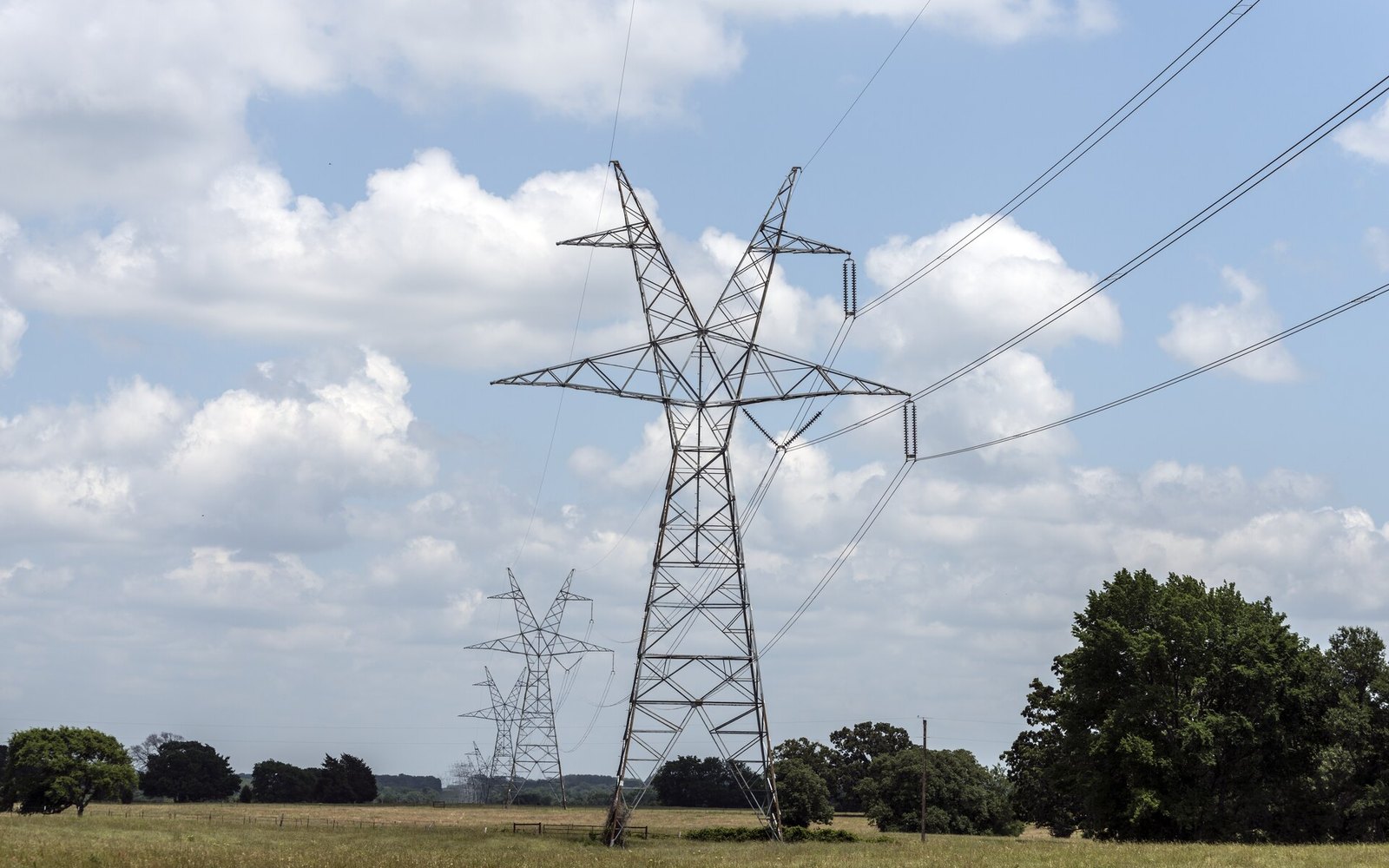
Texas is the only state in the country that runs its own electric grid, and almost everything unusual about power in Texas follows from that one fact. The system is operated by the Electric Reliability Council of Texas, a nonprofit that serves roughly ninety percent of the state's electric load and more than twenty six million customers. ERCOT owns no power plants and no transmission lines. It schedules, dispatches, and settles, which makes it a control room and a clearinghouse rather than a utility.
One state, one grid
The continental United States is carved into three synchronous grids: the Eastern Interconnection, the Western Interconnection, and Texas. The Texas Interconnection covers most of the state but not all of it. El Paso sits on the Western grid, the upper Panhandle and a slice of East Texas sit on the Eastern grid, and the Beaumont area is split between them. The phrase "the Texas grid" therefore describes ERCOT's footprint, not the state's borders.
Because the Texas Interconnection does not move power across state lines in the ordinary synchronous way, it has historically fallen outside the Federal Energy Regulatory Commission's authority over wholesale sales. That independence is not absolute. A handful of direct current ties link ERCOT to the Eastern Interconnection and to Mexico, and they can push power in either direction. Their combined capacity is little more than a thousand megawatts against a system that can call for over eighty thousand, so they function as a relief valve and not as a lifeline.
Who actually regulates it
ERCOT answers to the Public Utility Commission of Texas and, through it, to the Texas Legislature. Reliability standards themselves are written by the North American Electric Reliability Corporation and enforced regionally by Texas Reliability Entity. The practical consequence is that when Texans are unhappy with how the grid behaved, the address for a remedy is in Austin rather than Washington, and the fix arrives as a state statute or a commission rule rather than a federal order.
An energy-only market
Most organized electricity markets pay generators twice: once for the power they actually produce, and once for merely being available when called. ERCOT pays only for production. There is no capacity market. A plant that sits idle for eleven months of the year earns nothing for standing ready, and it has to recover its costs in the scarce hours when supply is tight and prices climb.
That design puts enormous weight on scarcity pricing. ERCOT lifts prices administratively as operating reserves thin out, through a mechanism called the operating reserve demand curve, and a system wide offer cap sets the ceiling. That cap stood at nine thousand dollars per megawatt hour before 2021 and was lowered to five thousand afterward. Whether a market of this shape calls forth enough new generation is the longest running argument in Texas electricity policy, and it is an argument about incentives rather than about engineering.
What February 2021 changed
Winter Storm Uri is the reference point for everything that came after it. Freezing temperatures across the entire state drove demand up while knocking generation offline, gas production and processing froze alongside the plants that burn the fuel, and ERCOT ordered rolling outages that ran for days instead of hours. The Texas Department of State Health Services attributed 246 deaths to the storm. Operators have since said the system came within minutes of an uncontrolled collapse, a failure that would have taken weeks rather than days to unwind.
The legislative answer, Senate Bill 3, required weatherization of generation and of parts of the gas supply chain, created a council to coordinate between the electricity and gas industries, established a statewide power outage alert, and reorganized ERCOT's board. Weatherization is now inspected rather than merely encouraged, which is the whole difference between a standard and a suggestion.
The mix that keeps the lights on
Natural gas remains the largest single source of Texas generation, and it is what the system leans on when the wind is calm and the sun is down. Texas also leads the nation in installed wind capacity by a wide margin and has been adding utility scale solar faster than any other state. Coal and nuclear contribute steady output from a shrinking fleet and a fixed one respectively.
Battery storage is the newest variable and the fastest growing one. Batteries add no energy to the system across a full day; they move it by a few hours. That happens to be the exact shape of the problem a solar heavy grid faces at sunset. The evening ramp, when solar output falls away while demand is still high, is where a Texas summer grid is now most often tested.
Demand is the variable now
For most of ERCOT's history the interesting question was supply. It is now demand. Texas keeps adding residents, as our look at statewide growth lays out, and every one of them arrives with air conditioning. Oil and gas operations in the Permian Basin are being electrified at the same time, and large computing loads are being sited here precisely because power has been cheap and land is available.
Peak demand records now fall most summers rather than most decades. ERCOT publishes its own forward look in the Capacity, Demand and Reserves report, and the load forecasts in recent editions have climbed faster than any plausible generation build could match. A forecast is not a fact, and load projections have a long history of running hot, but planning against the high case is the conservative choice when the failure mode is an outage.
What the grid cannot buy its way out of
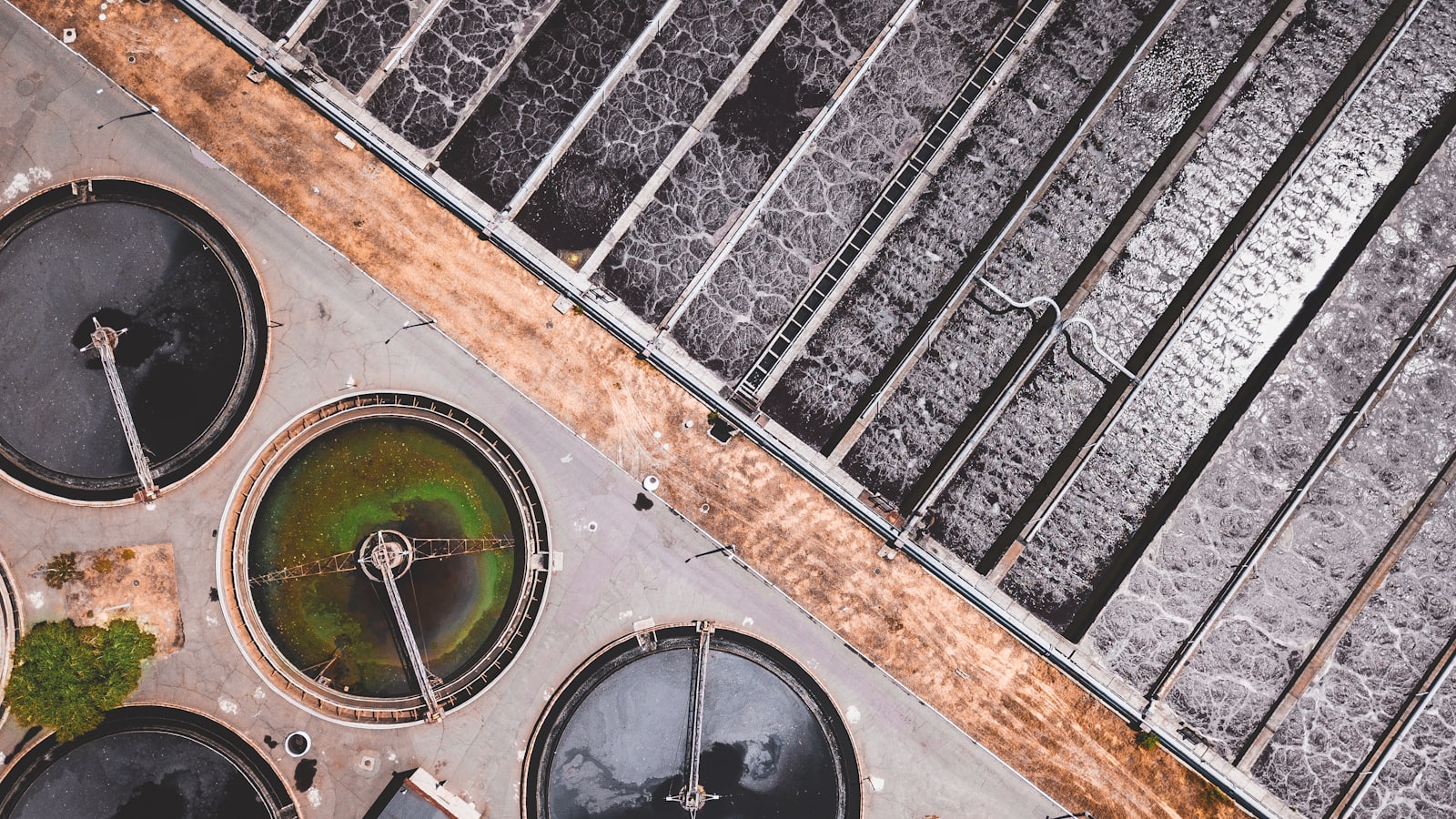
The hardest problems on this system are the correlated ones. A hot, still evening across the whole state removes wind and solar everywhere at the same moment, and a deep freeze attacks generation and fuel supply together. Both belong to the same family of failure that shows up elsewhere in the state under stress: the water utilities that lost pressure in 2021 lost it in part because their pumps had lost power, and the same planning discipline the state applies to its driest recorded stretch is what a reserve margin is for on the electric side.
Reliability in ERCOT is not one number and it is not a promise. It is a set of margins, published in advance, that grow thinner or thicker as plants are built and demand climbs. Texas picked an unusual structure for its grid and has kept picking it, including after the worst week the system has ever had. What follows from that choice is that the answers are state answers, and they sit on the public record where anyone can read them.