A worker in Marfa and a worker in Plano can hold the same job title in the same state, yet the shape of the day is decided before either one clocks in. One measures the morning by an empty stretch of US 90 and a full tank of gas. The other measures it by which on-ramp to Interstate 35 is already backed up. Transportation is the quiet variable behind both, and in a state this large it reaches into almost everything else a person does.
Texas spreads across 254 counties and stretches so far from the Louisiana line to El Paso that a single daytime drive rarely crosses it. TxDOT maintains one of the largest state highway systems in the country to cover that ground. That scale is the starting fact for daily life here. Services cluster where roads and people concentrate, and everything in between is measured in drive time rather than distance.
The car is not a preference, it is the design
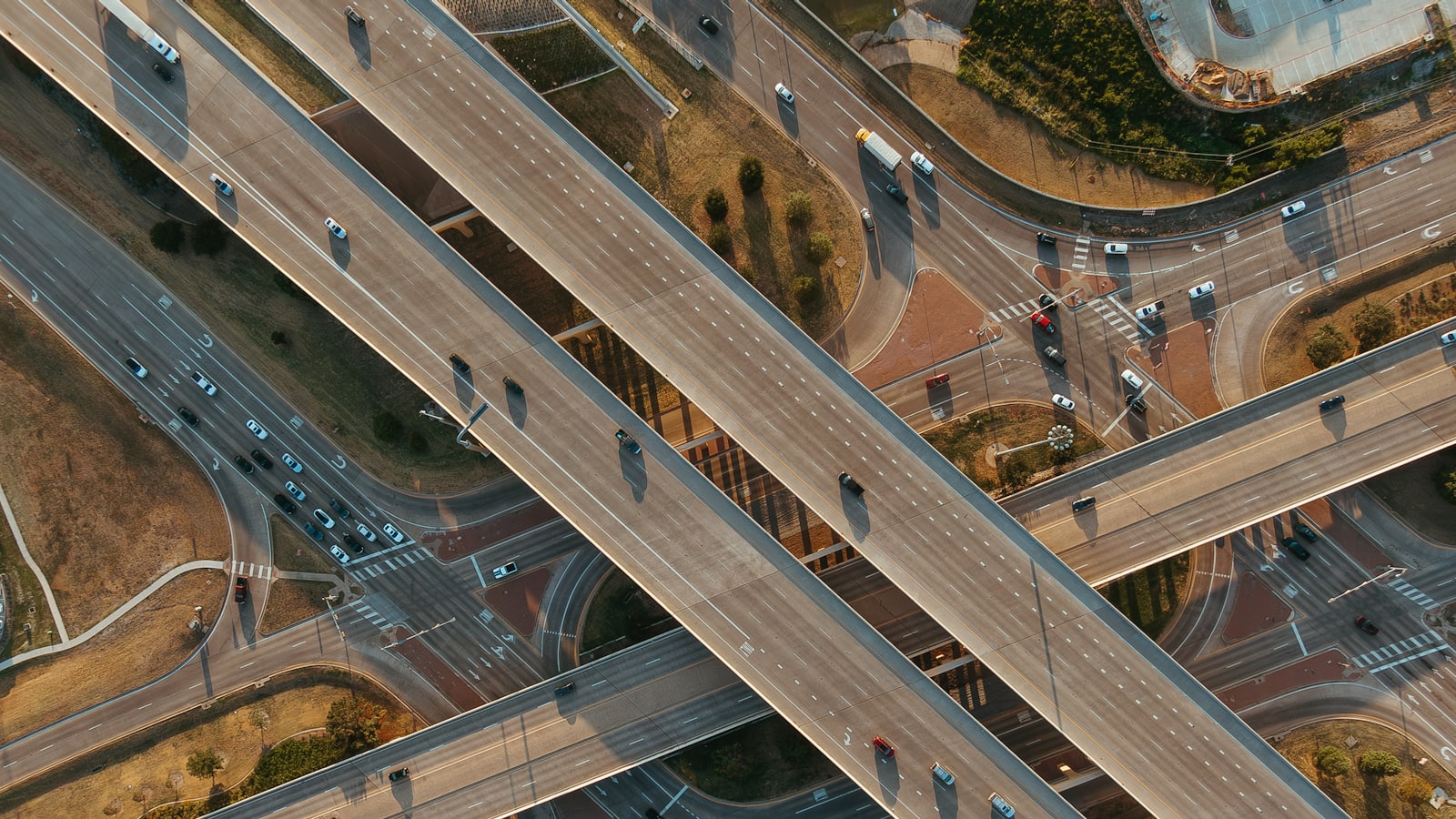
Census American Community Survey estimates consistently show the large majority of Texas workers commuting alone by private vehicle, with transit and other modes carrying a small share statewide. That is not mainly a cultural habit. It is a built one. Postwar Texas cities grew outward along highways rather than upward around rail, so the metro map now assumes a working car in nearly every household.
The assumption holds unevenly. In the urban core of Houston or Dallas, a missing car means a long and awkward bus trip. In a rural county with no fixed-route transit at all, it can mean no trip. The Texas Demographic Center has documented how thinly people are spread across much of West and South Texas, which is exactly where a shared van or a dial-a-ride service is hardest to keep running.
Distance becomes a health question
Nowhere does mobility turn into consequence faster than in medicine. When a rural hospital closes, the nearest emergency room can move an hour further away, and the road between becomes part of the treatment. That link is central to our reporting on health care access across rural Texas, and it cannot be separated from the transportation map. A specialist two counties over is only as reachable as the highway that leads there.
Metros face the opposite version of the same problem. The clinic may sit five miles away, but the hour spent reaching it in traffic is time not spent at work or with family. That cost falls hardest on shift workers who cannot flex a start time to dodge the jam.
Freight shares every lane
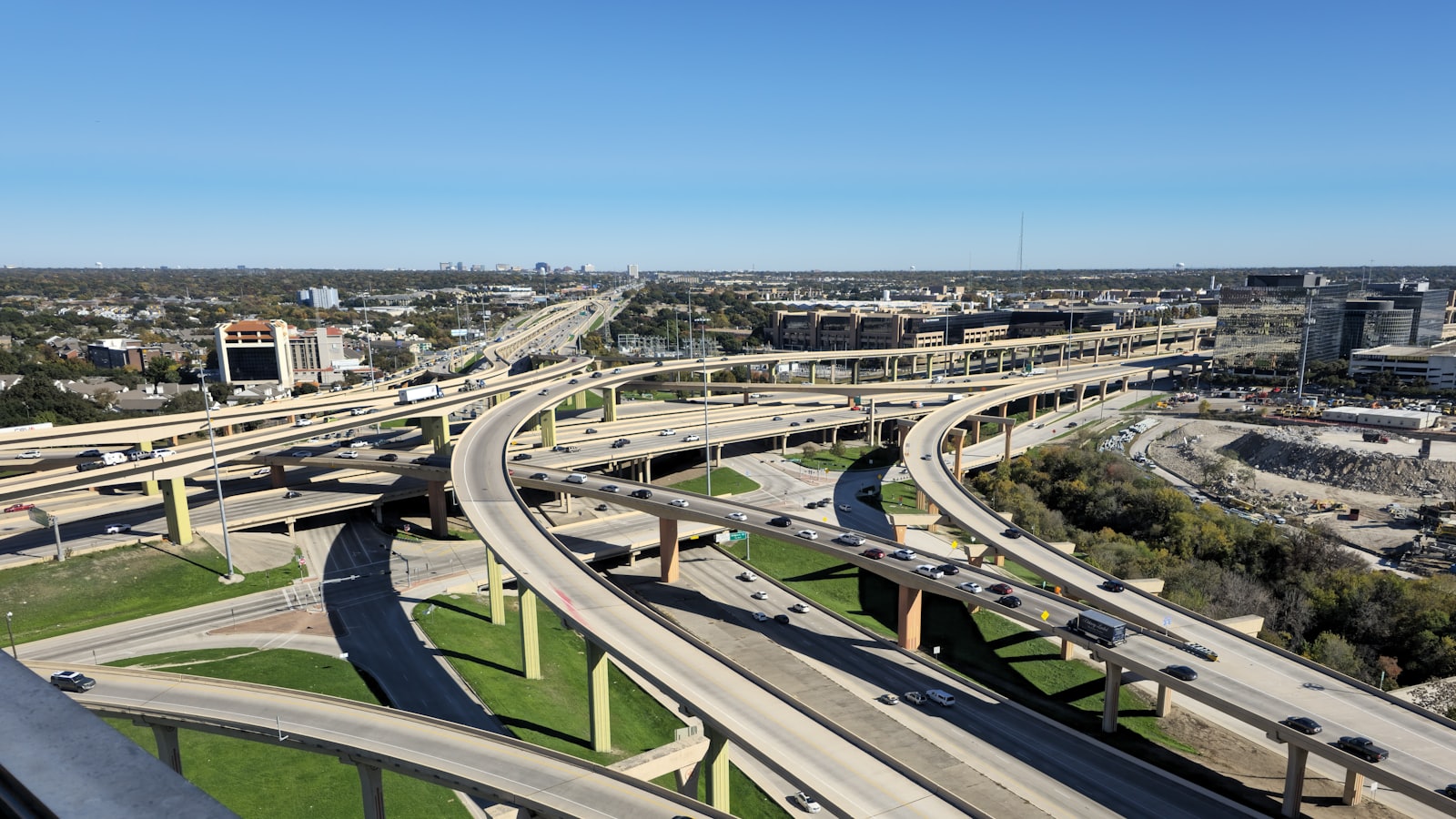
Daily life also competes for road space with the state economy itself. The interstates that carry commuters carry the trucks that stock the shelves, a pressure explored in our look at how freight and trucking move a growing state. On a corridor like I-35, a delayed commute and a delayed shipment are usually the same standstill seen from two different seats.
The rural mile costs more
Distance is not free. A household 30 miles from the nearest grocery store spends more on fuel and more of the day behind the wheel than a household with a market down the block, and the gap compounds over a year. School districts feel it too, routing buses across counties that would each swallow several eastern states, so a child's day can start in the dark for reasons that have nothing to do with the classroom. These are not edge cases in Texas. They are the ordinary arithmetic of living where the map runs empty.
Two Texases, one system
The tension underneath all of this is the gap between the growing metros and the emptying countryside, the theme of our essay on urban growth and rural sustainability. Transportation spending tends to follow population, which means it concentrates where congestion is worst and thins where distances are longest. Both problems are real. A commuter losing an hour on an urban freeway and a rancher driving 40 miles for groceries are each underserved, in opposite directions.
What ties the state together is a single system asked to do two very different jobs at once. The transportation desk follows both: the engineering that keeps the metros moving and the basic reach that keeps rural Texas connected. Neither job yields to treating the state as one average place, because the statistically average Texan lives in a fast-growing suburb and drives to nearly everything, while a large share of the map lives nothing like that at all.
For a practical county-by-county reference, see Texas emissions testing counties in 2026, including vehicle exemptions and the scheduled Bexar County change.