On a cool Saturday at Enchanted Rock, the line that matters is not the one on the summit trail. It is the one that formed online weeks earlier. Texas Parks and Wildlife Department says plainly that very popular parks such as Enchanted Rock may sell out days in advance, and the park's own page warns that during busy times staff cannot honor a day pass bought for the wrong date. The 425-foot pink granite dome has not gotten any bigger. The way people get to it has changed.
Visiting a Texas state park now runs through a reservation system as much as through a gate, and it pays to learn that system before the trail map.
A day pass is a prepaid ticket, not a permit
TPWD describes a day pass simply: you pay your entry fee in advance, and in return the department guarantees access to the park. Day passes can be bought up to 30 days before a visit. Online purchases are capped at up to eight people per vehicle and up to two vehicles per arrival date, and larger groups are pointed to customer service instead.
The guarantee is narrower than it sounds. The department's day pass guidance states that a pass guarantees entrance into the park and nothing more. It does not reserve a spot in a particular day-use area or a particular parking lot.
Walking up without a reservation is still possible. TPWD says visitors can buy a daily entrance pass at the park if any are available. The catch is in that last clause. Many parks set capacity limits and close to drop-in day-use visitors once they reach them, which is why the department calls advance day passes especially important for weekends, holidays, and its busiest parks.
Cancelling or changing a day pass five or more days before the arrival date carries no fee or penalty. Inside that five-day window, the fees are forfeited. Same-day reservations cannot be refunded at all.
What the annual pass buys, and what it does not
The Texas State Parks Pass costs $70, according to TPWD, and is issued to one person, the cardholder, for one year. It provides unlimited free entry for the cardholder and their guests, along with discounts on camping (with restrictions), park store purchases, and equipment rentals. A second card for someone living at the same address costs $25 and can only be bought at a park, not online.
The pass does not get its holder past a full gate. TPWD's pass page is explicit that capacity limits apply and that pass holders are not guaranteed entry if a park has reached capacity. What the pass does is remove the cost of guaranteeing a spot: the department's day pass guidance says pass holders can make day pass reservations at no cost. In practice, the annual pass and the reservation system work together rather than as alternatives. The card covers the fee; the reservation covers the certainty.
Whether the pass pays off is local arithmetic. Enchanted Rock, Palo Duro Canyon, and Garner each list adult daily entry at $8, with children 12 and under admitted free. A household that makes regular trips to parks priced in that range will pass the break-even point quicker than one that visits once a year. Fees differ by park, so the fair comparison uses the parks a family actually visits.
Separate from the annual pass, TPWD offers Texas Parklands Passports, which reduce or waive entry fees for qualifying seniors, people with disabilities, veterans, and Gold Star family members. TPWD says these are obtained at a state park.
Overnight stays run on a longer clock
Camping and lodging follow a different calendar. TPWD says most overnight camping or lodging reservations may be made up to five months in advance, against one month for day passes. Entrance fees are folded into the cost of an overnight reservation, so campers do not need a separate day pass for the days they are booked.
Reservations can be made online at any hour or by phone during business hours, though some sites must be booked by phone, including group facilities and most ADA sites. Payment, including entrance fees, is collected when the reservation is made. One rule catches late arrivals: TPWD may cancel a reservation if a camper who arrives after hours has not checked in at the park office by noon the following day.
Three parks, three different crowds
The pressure on capacity is not one statewide pattern. It follows each park's season, and each park's season follows its geography, a theme that runs through how Texas differs from region to region.
Enchanted Rock is busiest from September through May, according to the park's page. That is close to the inverse of a summer vacation calendar, which suggests the crowd follows the weather on the rock more than the school year. The Summit Trail may also close in wet weather, which means a reserved date is not a promise of a summit.
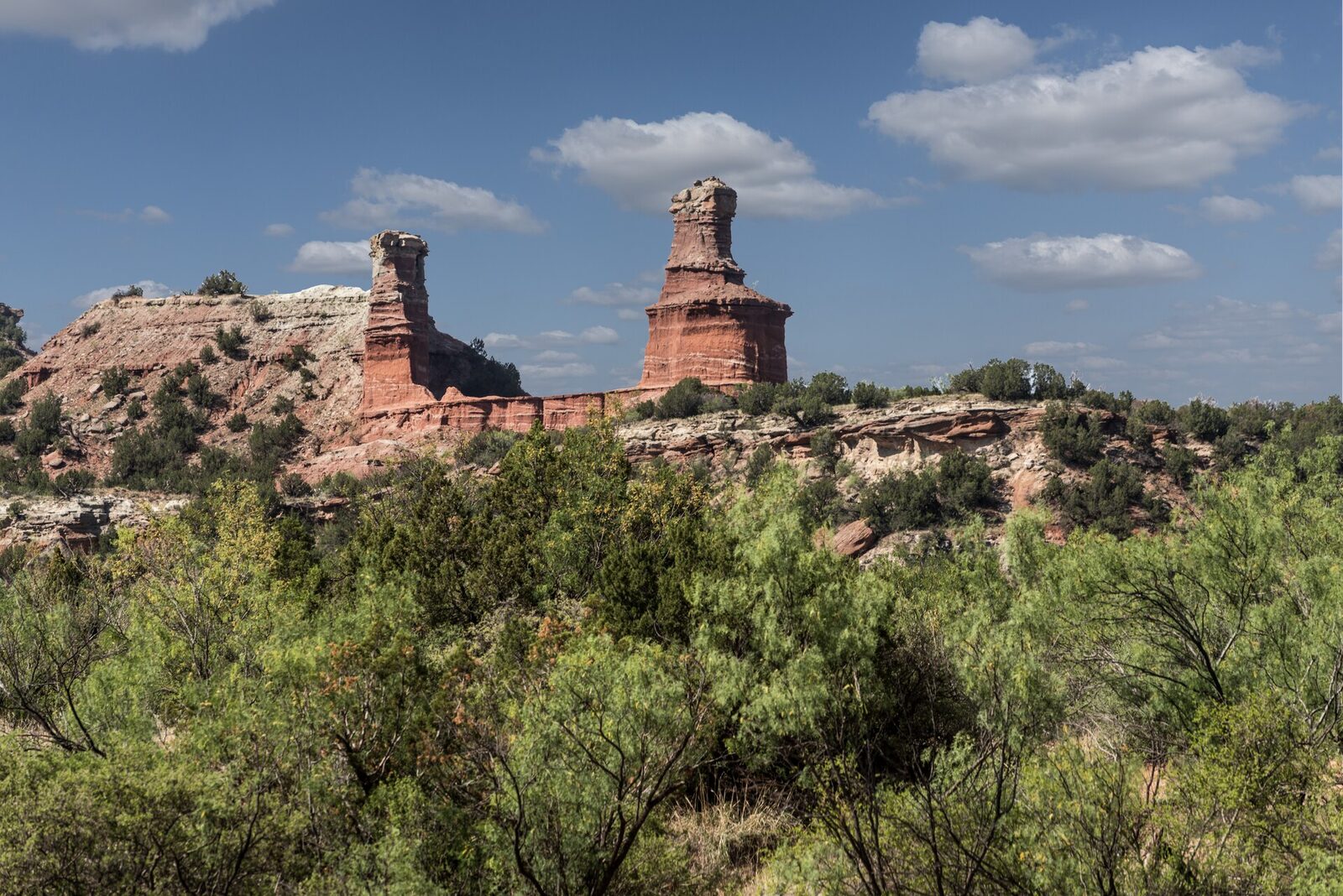
Palo Duro Canyon, in the Panhandle, bills itself as the second largest canyon in the country. TPWD says the park often reaches capacity and recommends reservations for both camping and day use. The park lists its busy season as the summer months during the play season. Remoteness on a map is no protection from a full gate.
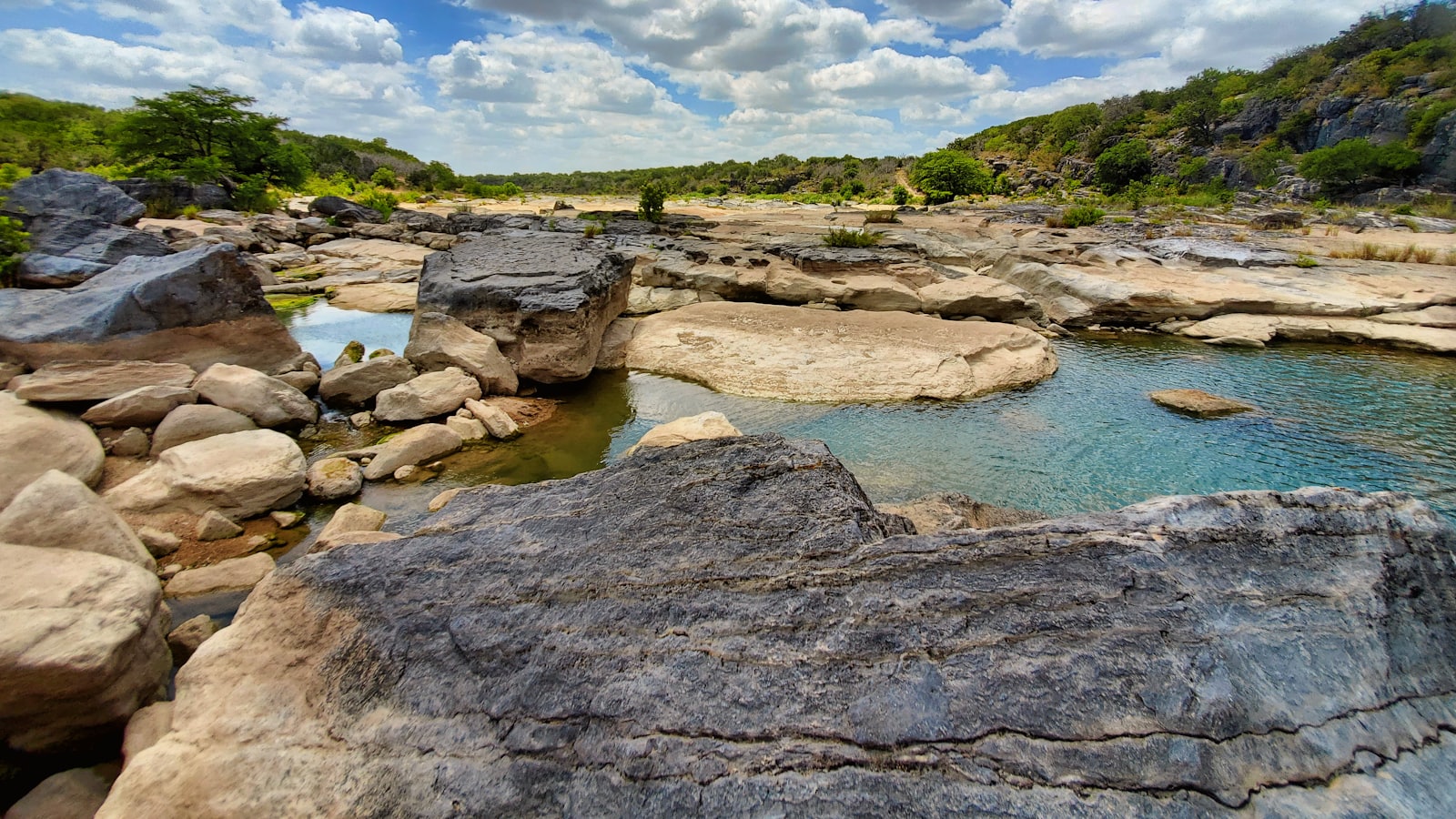
Garner, in the Hill Country, has 2.9 miles of the Frio River running through 1,774 acres, and a summer tradition of jukebox dances at the concession building that TPWD dates to the 1940s. The park's page says it often reaches capacity and highly recommends reservations for camping and day use. Its busy season runs from Memorial Day weekend through Labor Day weekend, plus other holidays, and on summer evenings parking can fill and gates can close as early as 8:30 p.m.
Why the limits exist at all
TPWD frames capacity limits as a matter of visitor safety and resource protection. A park has a fixed number of parking spaces, restrooms, and campsites, and only so much tolerance for foot traffic. On the reservations page, the department notes that popular parks can fill months ahead and recommends booking early for day passes, campsites, and some tours.
River parks carry an added dependence. Garner's draw is the Frio, and a swimming and tubing park is only as good as the water in it. Flows on Hill Country rivers rise and fall with the rainfall patterns covered in our reporting on drought and water resilience, which means the experience a summer reservation buys can vary from one year to the next.
Distance matters too. Enchanted Rock, Palo Duro Canyon, and Garner all sit well outside the large metros that supply many of their weekend visitors, so the road trip is part of the cost of the day. That reliance on highways and personal vehicles, examined in our look at the role of transportation in Texans' routines, is one reason a turned-away car at a full gate represents hours lost rather than minutes.
The system rewards planners
The practical effect of all this is a shift in who gets the best days. The system favors people who decide early: a camper booking five months out, a pass holder reserving a free day pass the moment the 30-day window opens. Spontaneity still works on weekdays and in the off season. At Enchanted Rock in October or Garner in July, it is a gamble.
For readers who split their outdoor time between trails and water, our guide to fishing license rules in Texas covers the other permit most park visitors eventually need. The rest of our outdoors coverage follows how Texans use public land and water across the state.